In Venice, we live by the pulse of the Adriatic. When the autumn winds blow the Sirocco from the south, we listen for a specific sound—the sirens that signal the arrival of 'Acqua Alta'. For centuries, this seasonal high water was a fact of life that dictated our daily movements and architecture. Today, the conversation has changed with the introduction of the MOSE barriers, but the phenomenon remains an essential part of the Venetian winter. To understand the city, one must understand how we keep our feet dry and our foundations sound. From the raised footpaths of the 'passerelle' to the science of the tides, here is the reality of the high water seasons, stripped of the romanticism often found in travel brochures.
The Season and the Science
Acqua Alta traditionally occurs between October and March. It is not a flood in the conventional sense, but a temporary tidal peak caused by a combination of astronomical tides and meteorological factors. When the moon is full and strong winds push water from the Adriatic into the lagoon, the water level rises through the canals and bubbles up from the drains in our lowest-lying squares.
Since the completion of the MOSE (Modulo Sperimentale Elettromeccanico) system, the city rarely sees significant flooding in the way it once did. These massive yellow barriers at the lagoon's mouths are raised when a tide of 110cm or higher is predicted, effectively sealing Venice off from the sea and keeping the city's streets dry even during storm surges.
Sirens and Passerelle
If you are staying in the city, you may hear a series of whistling tones. These are the sirens of the Tide Monitoring and Forecast Center. Different pitches indicate the expected level of the tide. It is a functional warning system for residents to move their belongings or for shopkeepers to put up their 'paratie' (metal water gates).
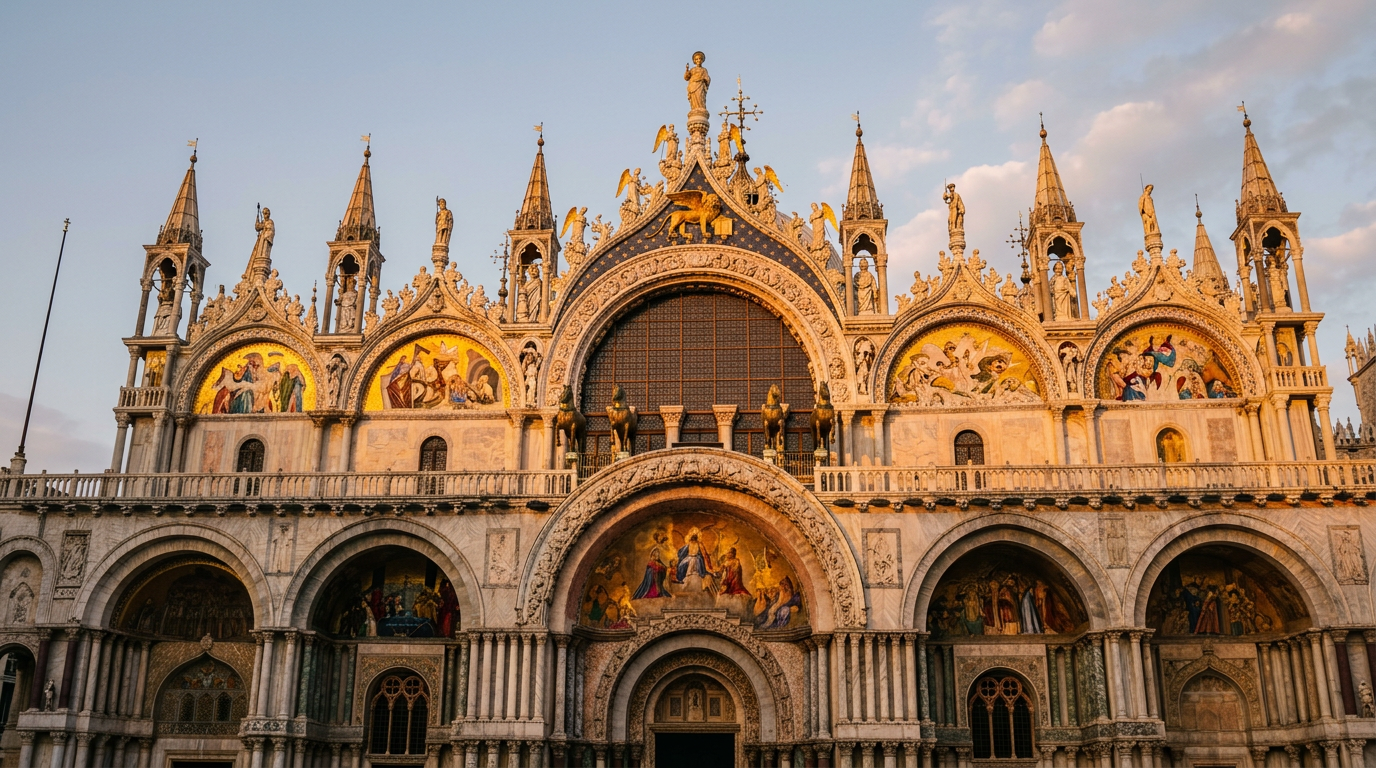
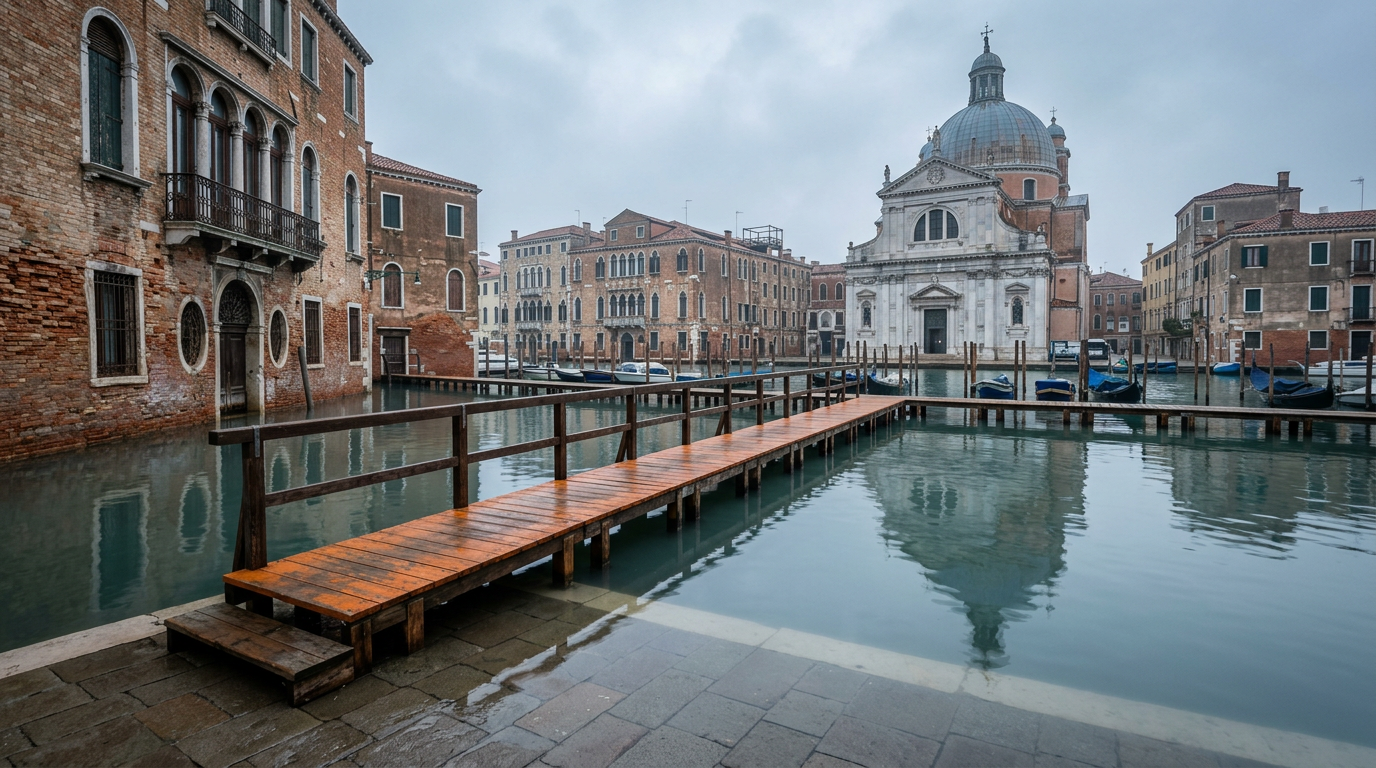
When the water does enter the streets—usually in lower areas like Piazza San Marco or parts of Castello—the city sets up 'passerelle'. These are elevated wooden walkways that allow pedestrian traffic to continue. They follow specific routes, and it is a matter of local etiquette to keep to the right and move efficiently, as these paths become the city's primary arteries during high tide.
Practical Navigation in Santa Croce
Many visitors rush to buy brightly colored plastic boots from street vendors, but unless the tide is exceptionally high or you intend to spend hours in San Marco, they are often unnecessary. Standard waterproof leather boots are usually sufficient for most days. In our sestiere of Santa Croce, which is slightly higher than the southern areas of the city, the water rarely causes more than a minor inconvenience to your walking route.
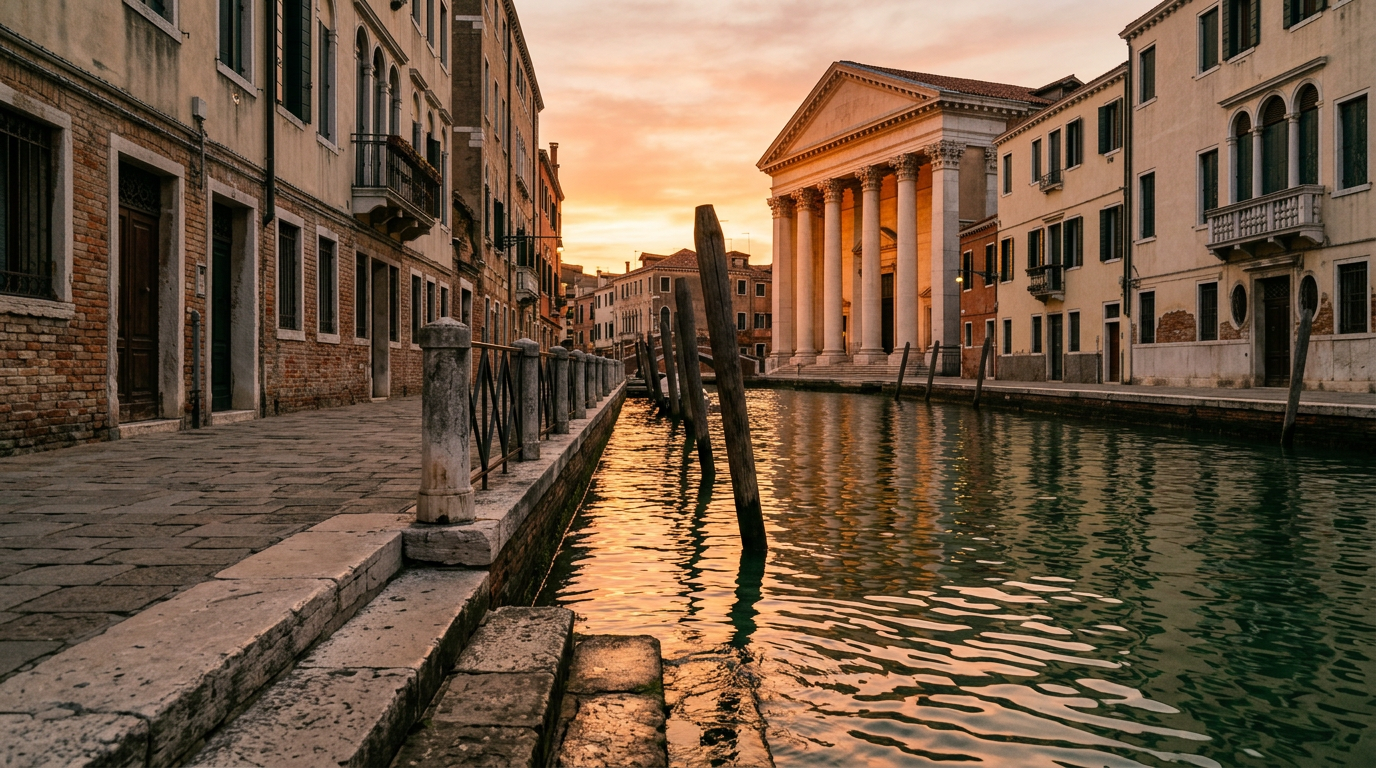
After a day of navigating the tides and the damp winter air, the Santa Croce district offers a needed refuge. As the crowds retreat from the flooded squares of San Marco, our neighborhood remains a quiet pocket of stone and shadow. You might find your way to our tables at Osteria Leone Alato on the Fondamenta dei Tolentini, where the warm glow of the interior offers a sharp, welcome contrast to the mist of the lagoon. Moving through Venice during an ACQUA ALTA event is simply about timing; things usually return to normal within a few hours.
The next time the sirens sound, do not be alarmed. It is merely the lagoon breathing, and Venice has survived this rhythm for over a thousand years.