We often watch visitors arrive at Piazzale Roma, their faces filled with the hurried anticipation of San Marco or the Rialto. They cross the Calatrava bridge and vanish into the depths of the city, often ignoring the very ground they stand upon. This is Santa Croce. For us, it is the threshold of home. It is unique among the sestieri—it is the only one tied to the modern world of cars and buses, yet within five minutes of walking, it becomes the most silent, domestic, and architecturally honest part of Venice. To walk here is to see the city without its mask; it is to find the courtyards where children still kick footballs against 14th-century brickwork and where the Rio Marin reflects the quiet facades of a Venice that does not feel the need to perform.
The Gateway: San Nicola da Tolentini
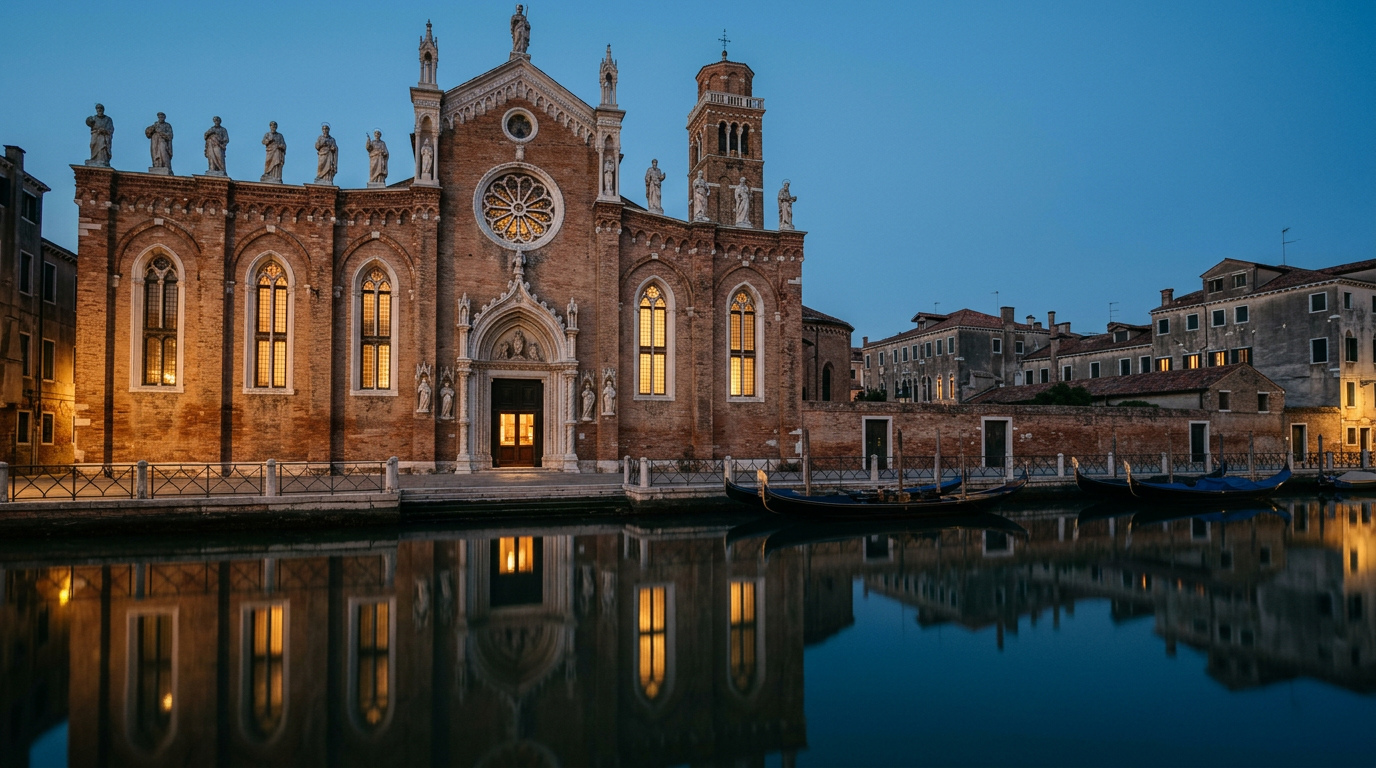
When you arrive in Santa Croce, the high Corinthian columns of San Nicola da Tolentini stand as a monumental sentinel. Built by Vincenzo Scamozzi and later finished with Andrea Tirali’s neoclassical pronaos, this church offers an immediate sense of gravity. It is far removed from the gold-leaf excess of the Grand Canal, standing instead as a testament to the Counter-Reformation’s architectural discipline.
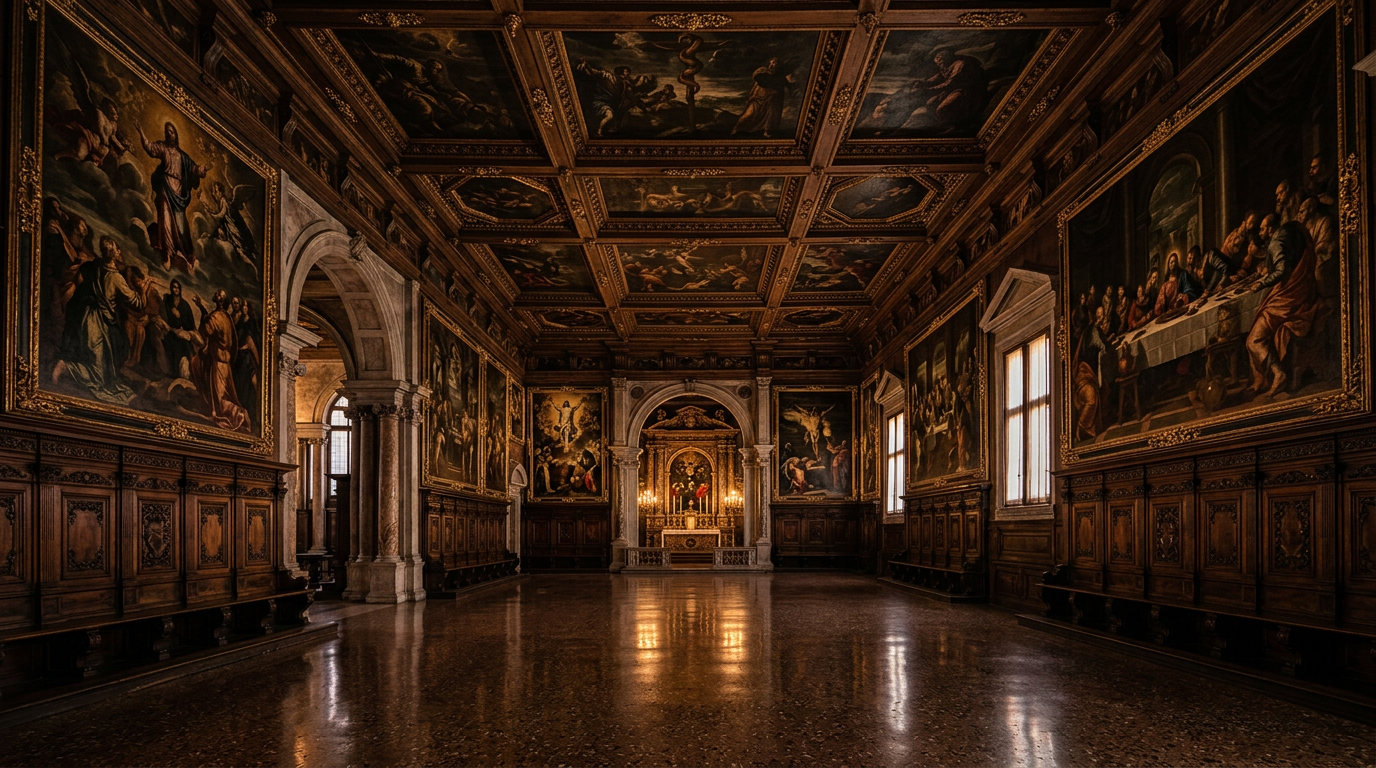
Inside, the space opens into a vast, luminous interior. It is home to the tomb of Doge Giovanni Pesaro, but the real draw for the observant traveller is the collection of 17th-century paintings by artists like Bernardo Strozzi and Palma il Giovane. Because the church sits just slightly off the main tourist artery, you will often find yourself alone with these masters, the only sound being the distant slap of water against the fondamenta outside.
The Architecture of Rio Marin
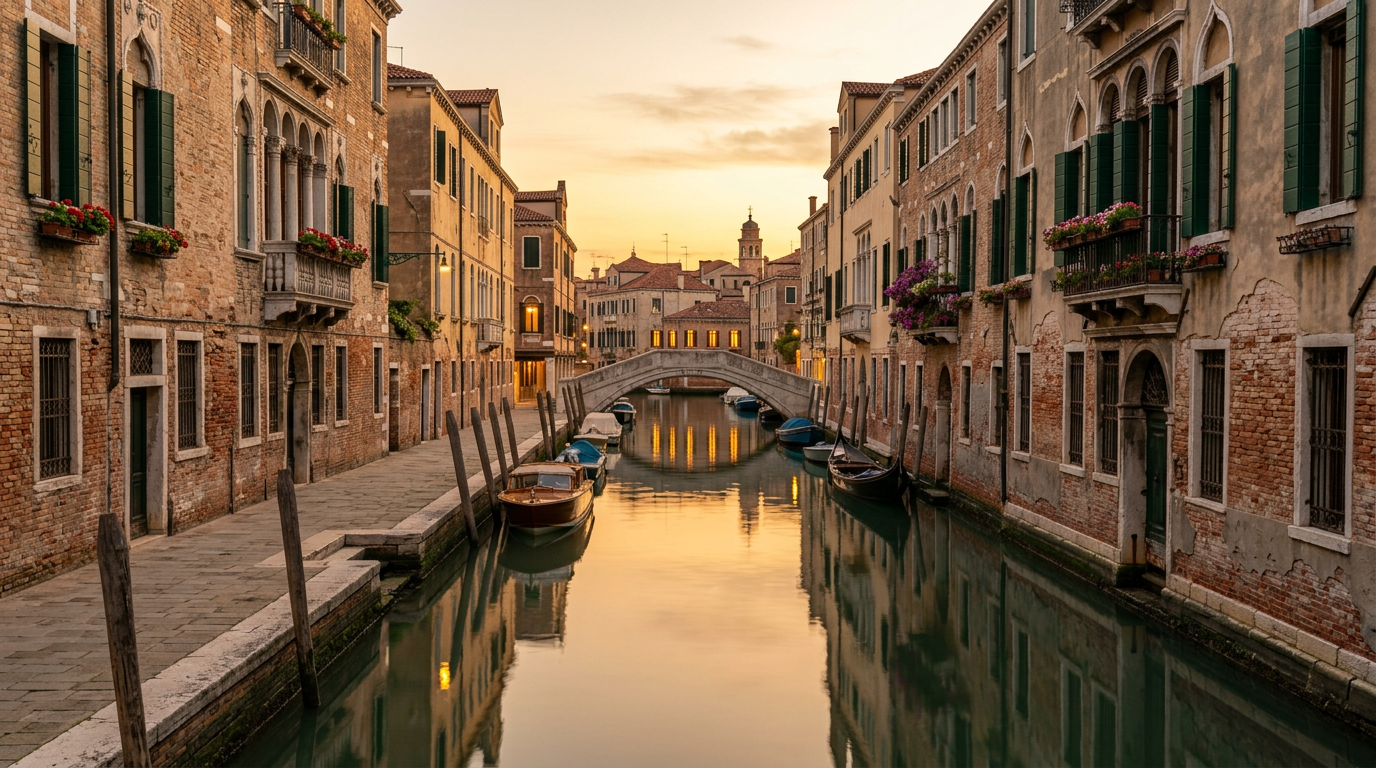
Following the water away from the station, you reach the Rio Marin. This is arguably one of the most beautiful canals in the city, precisely because it lacks the commercial clamour of the more famous waterways. The houses here are lived in; you see the wear of the salt on the doorsteps and the green shutters that have seen decades of winters.
Architectural enthusiasts should look for the Palazzo Cappello Layard. In the 19th century, it was a hub for prominent English diplomats and collectors, a reminder that Santa Croce has always been a place for those who prefer the intellectual periphery to the crowded centre. The canal is spanned by several low, elegant bridges that offer the perfect vantage point for seeing the city as a resident does—not as a museum, but as a functioning, brick-and-mortar reality.
Wandering into San Giacomo dell'Orio Plaza
As you push deeper into the sestiere, you will eventually stumble into Campo San Giacomo dell'Orio. This is the beating heart of Santa Croce. The church of the same name is a medieval marvel, distinctive for its ship's-keel roof—a rare piece of 14th-century timber engineering that reminds us of Venice's seafaring origins. Unlike the stone-heavy interiors of later centuries, this space feels warm, organic, and ancient.
The campo itself is perhaps the most 'Venetian' square remaining. Under the shade of the plane trees, the pace of life slows significantly. There are no velvet ropes here. It is a place of benches, elderly residents discussing the tide, and the occasional university student from nearby IUAV sketching the Byzantine column found inside the church. It is the perfect midpoint of any walk through the sestiere.
The Borderlands: Moving Toward the Frari
Santa Croce eventually bleeds into San Polo, but the transition is subtle. As you move toward the border, the narrow calle become more intricate. You pass the Scuola Grande di San Giovanni Evangelista, where the marble screen by Pietro Lombardo stands as one of the finest examples of Venetian Renaissance sculpture. It is a monumental gateway that suggests the hidden wealth tucked away in these quiet corners.
By the time you see the towering brick campanile of the Frari in the distance, you have traversed a part of the city many never see. You have walked through the 'entryway' of Venice and found that, instead of a hallway, it is a living room. After such a journey through our sestiere, we invite you to settle your pace at the end of the day. Our osteria, Leone Alato, sits quietly by the Tolentini, offering a peaceful space to reflect on the bridges crossed.
To walk through Santa Croce is to understand how Venice functions when the lights of the Piazza go dim. It is a place of shadows, laundry lines, and the low hum of canal-side life that remains largely indifferent to the passing of time.