We often watch them from our windows: the thousands of travellers who arrive at the Santa Lucia station, cross the Calatrava bridge, and immediately vanish into the labyrinth toward San Marco. They move with such haste that they miss what lies right beneath their feet. Here in Santa Croce, specifically along the Fondamenta dei Tolentini, Venice breathes a different air. It is the entry point of the city, yes, but it is also one of its most preserved secrets. To walk this fondamenta in the late afternoon, when the sun dips low enough to turn the water into liquid copper, is to understand why we choose to live and work in this particular corner of the lagoon. It is a place of architectural rigor and monastic silence, just steps away from the city's main gates.
The Church of San Nicolò da Tolentino
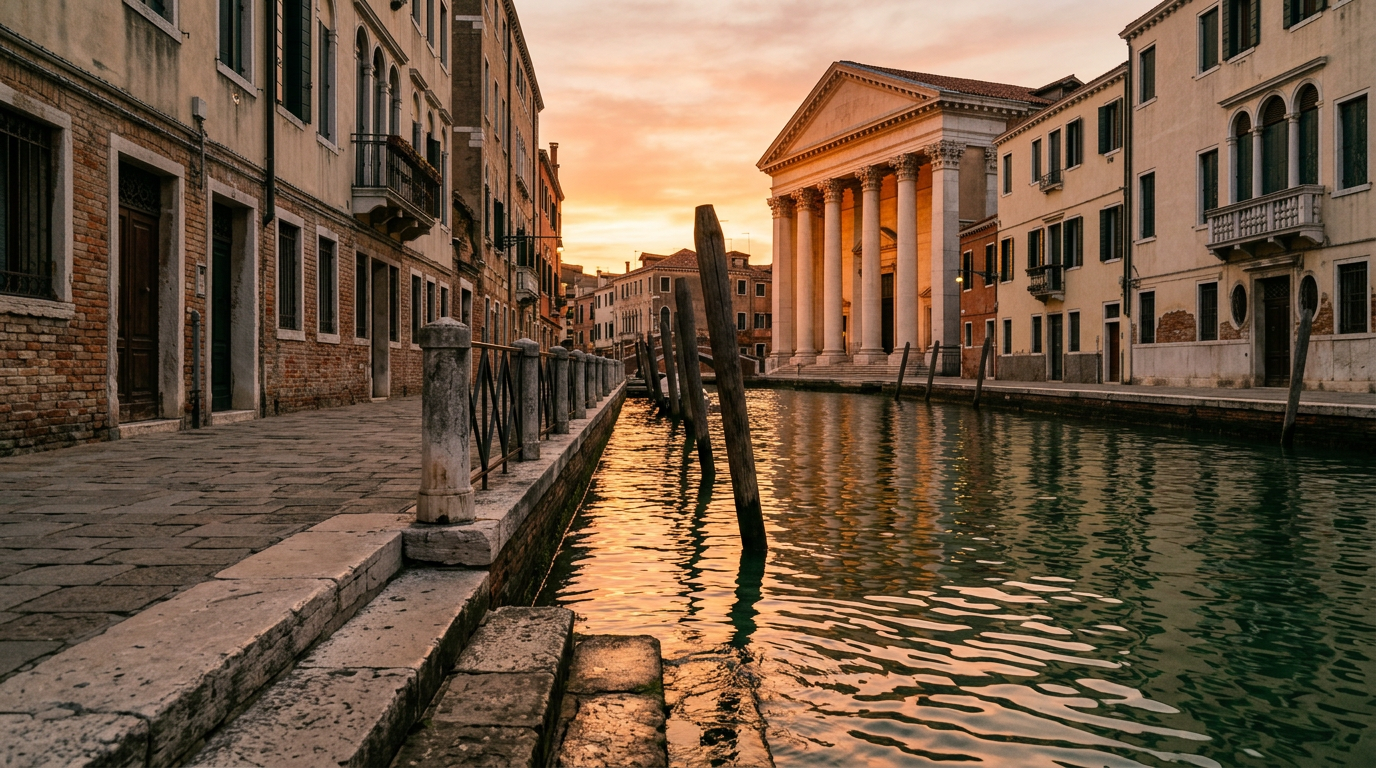
The fondamenta is anchored by the imposing presence of San Nicolò da Tolentino. Designed by Vincenzo Scamozzi in the late 16th century, its Corinthian portico is a rarity in Venice, feeling more like a Roman temple than a typical Venetian parish church. If you look closely at the facade, you can still see the scars of history—specifically a cannonball embedded in the stonework from the 1849 Austrian siege.
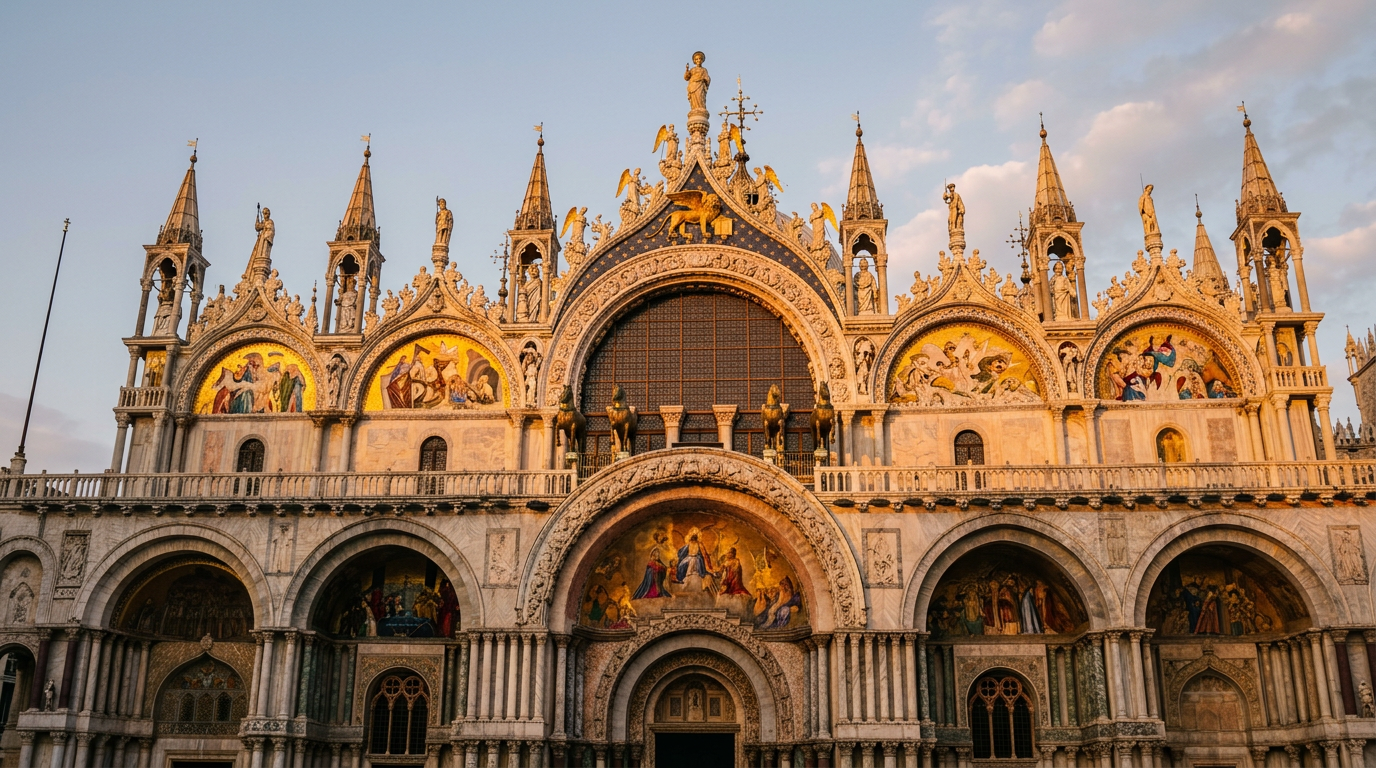
Inside, the space opens up into a Baroque theatre of art. We often tell visitors to look for the works of Palma il Giovane and the 'St. Jerome' by Johann Liss. It is a space that demands a slower pace, far removed from the hurried queues of the Basilica di San Marco. The echoes here are of footsteps, not voices.
A Gateway for Architects: The IUAV influence
Across the bridge, the fondamenta takes on a more intellectual character. The IUAV University of Architecture is housed in the former convent of the Tolentini. The entrance, designed by the legendary Carlo Scarpa, is a masterpiece of modern Venetian intervention. Scarpa took the heavy Istrian stone and repurposed it, creating a doorway that bridges the sixteenth century with the twentieth.
Because of the university, the Fondamenta dei Tolentini possesses a youthful, observant energy. You will see students sketching the reflection of the palazzi in the canal or debating theory under the portico. It keeps the neighbourhood grounded in the present, even as we stand surrounded by centuries of stone.
The Golden Hour in Santa Croce
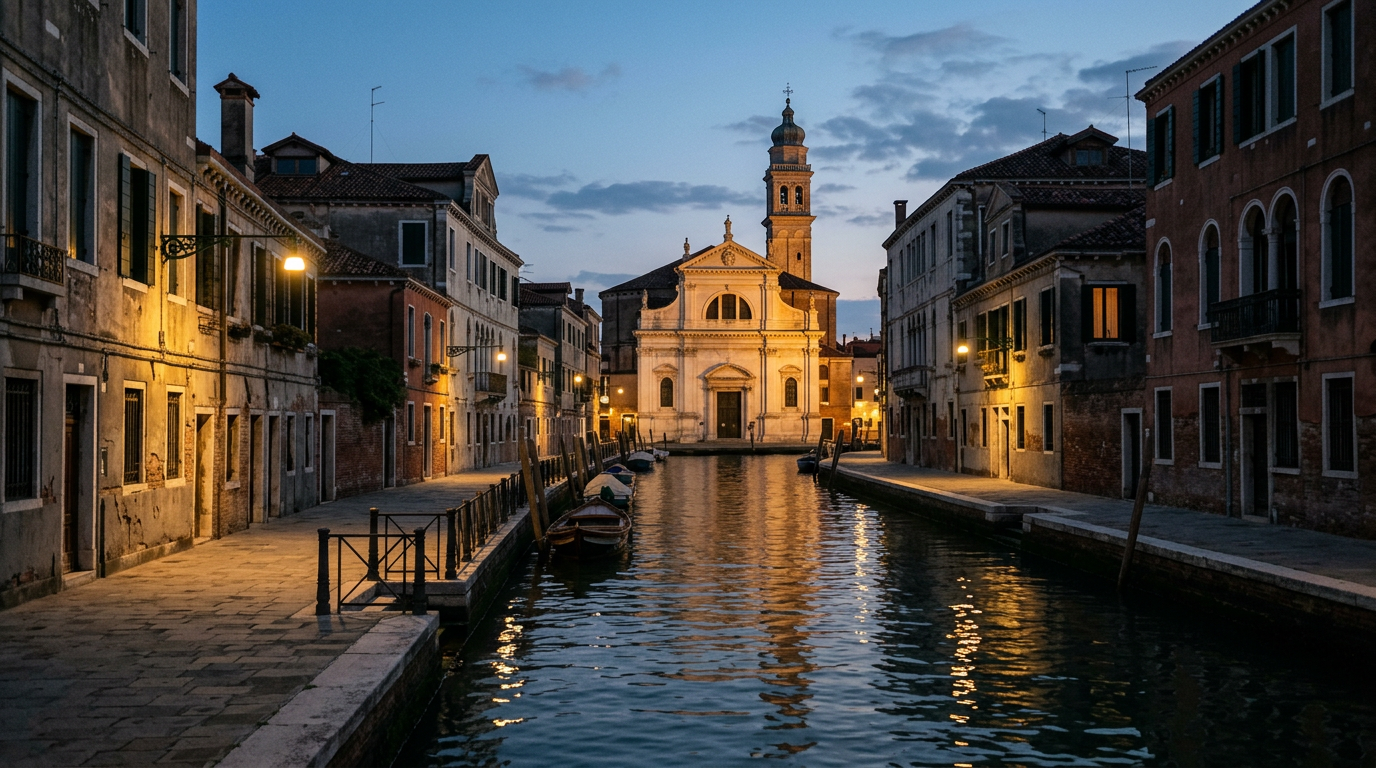
There is a specific moment, usually an hour before sunset, when the light hits the Rio dei Tolentini at a precise angle. The fondamenta glows. The crowds at Piazzale Roma are only three minutes away, yet here, the only sound is the rhythmic slapping of a delivery boat's wake against the mossy foundations.
This is the time to linger. Once the sun disappears, the fondamenta transitions into its nighttime identity—intimate and dimly lit. It is in this stillness that we open our doors at Osteria Leone Alato, welcoming those who have spent their day exploring these quiet banks. It serves as a natural conclusion to a walk through the Sestiere of Santa Croce.
The next time you step off the train at Santa Lucia, resist the urge to follow the crowds toward the Grand Canal. Instead, cross the bridge and find the silence of the Tolentini.