To those who live here, high tide—Acqua Alta—is not a disaster, but a seasonal guest, albeit an intrusive one. Between October and March, the Adriatic Sea occasionally pushes into our streets, flooding the lowest points of the city first. You will often see the tide rise in front of San Marco while we in the higher reaches of Santa Croce remain perfectly dry. It is a phenomenon dictated by the moon, the sirocco winds, and the unique topography of our lagoon. Over the years, we have learned to read the sirens and watch the tide tables like one watches the weather, adjusting our pace but never stopping our lives. It is simply Venice, as it has always been, balancing between the stone and the sea.
The Language of the Sirens and Tide Tables
The first thing you will notice is the sound. The city uses a system of sirens to warn residents and visitors when a significant tide is expected. These aren't emergency alarms in the modern sense; they are melodic sequences that indicate the predicted height of the water. A single tone tells us one thing, while a series of rising notes indicates a higher surge. Most travellers will find the 'Hi!Tide Venice' app or the official Centro Maree website more practical than decoding the music.
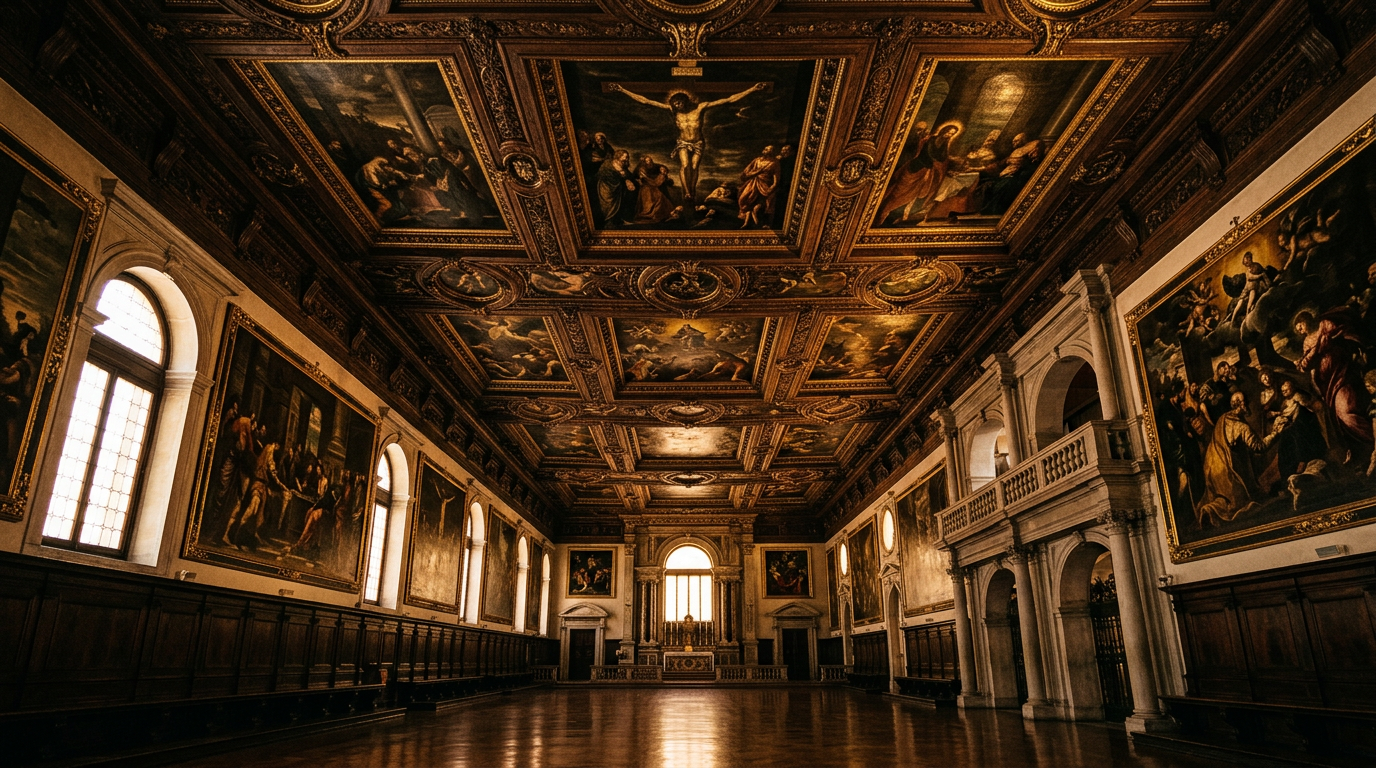
Tides are predictable. They generally last only two to three hours at their peak before receding. If you wake up to water in the streets, do not panic—by the time you finish a long morning walk through the Frari or the Scuola Grande di San Rocco, the stones will likely be dry again. Life in Venice is timed to these six-hour cycles of rising and falling.
MOSE and the Modern Defence
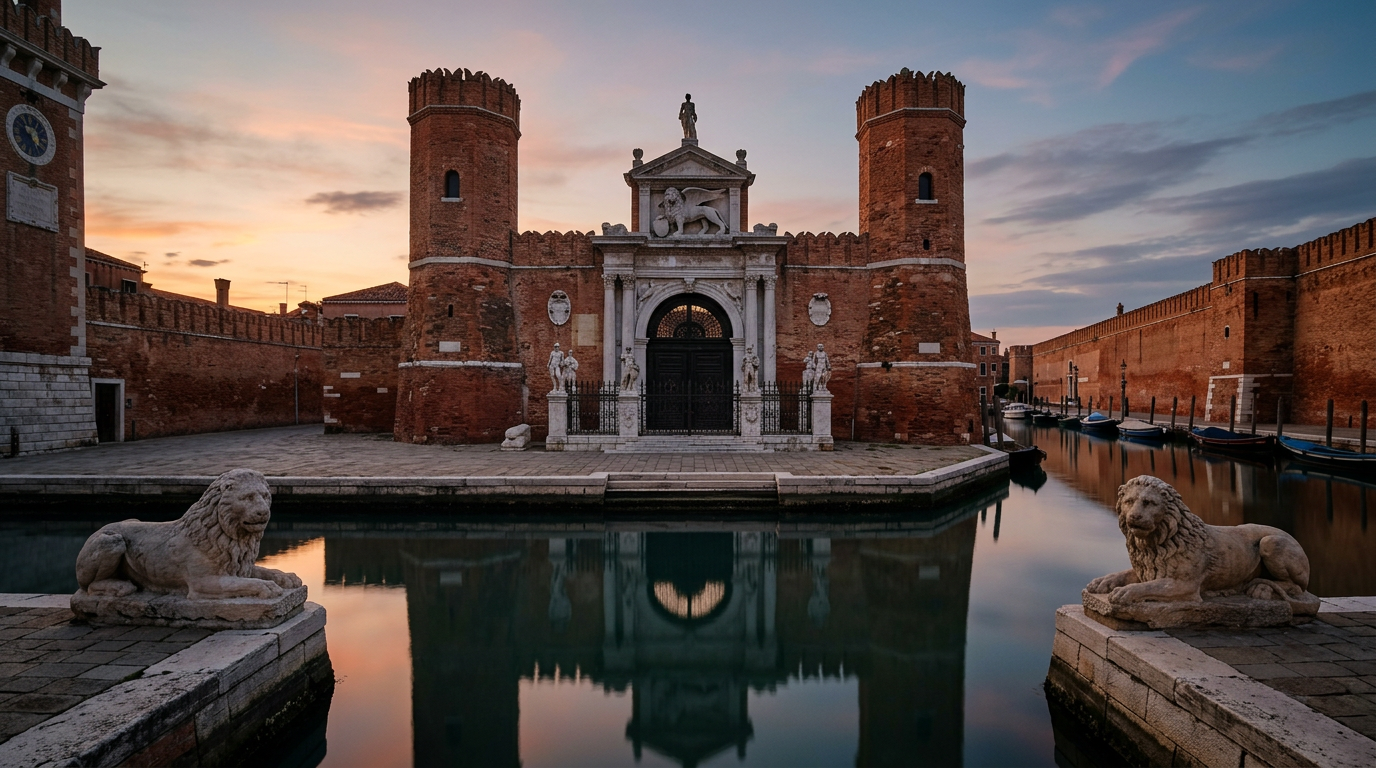
Since 2020, the experience of Acqua Alta has changed dramatically due to the MOSE (Modulo Sperimentale Elettromeccanico). These are rows of yellow mobile barriers located at the three inlets of the lagoon—Lido, Malamocco, and Chioggia. When a tide of over 110cm is forecast, these gates rise to block the Adriatic from entering the lagoon.
Because of MOSE, the catastrophic flooding of the past is now rare. However, the barriers are not raised for every minor tide, as doing so disrupts shipping and the ecological exchange of the lagoon. This means you may still see minor flooding in San Marco, the lowest point in Venice, even when the rest of the city remains unaffected. In Santa Croce, near the Tolentini, we are often spared the worst of it due to our slightly higher elevation.
Navigating the Passarelle (Raised Walkways)
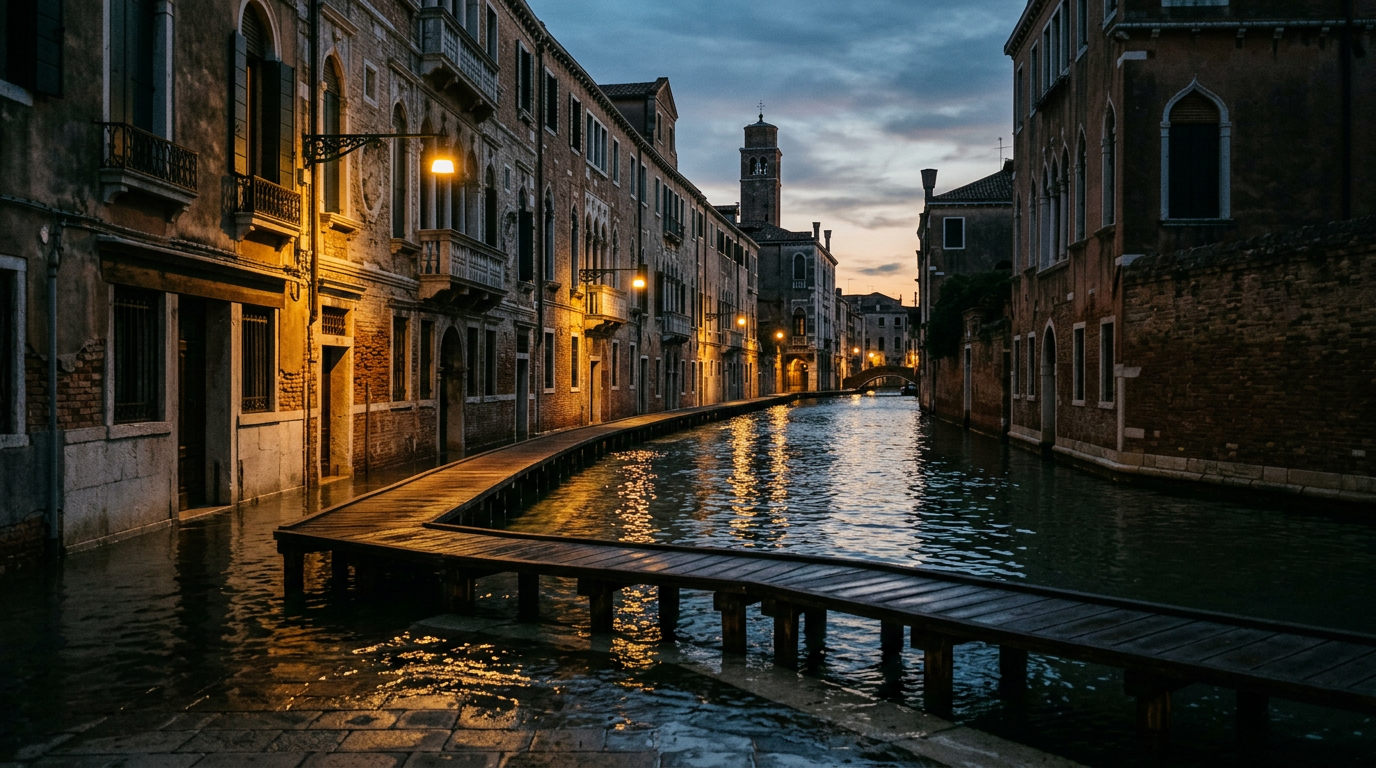
When the water does rise, the city sets up 'passarelle'—sturdy, elevated wooden walkways. These follow the main pedestrian arteries, allowing you to walk from the Ferrovia (train station) through the heart of the city without getting your feet wet. They are narrow, and etiquette dictates that you stay to the right and avoid stopping for photos, as these are the lifelines for locals going to work.
Do you need rubber boots? Unless you intend to wade through San Marco Square for the novelty of it, usually not. Most of the city remains accessible via the walkways. If you do find yourself needing boots, avoid the cheap plastic overshoes sold by street vendors; they tear easily and end up as waste in our canals. Most hardware stores (ferramenta) sell proper rubber boots if the tide is truly exceptional.
Refuge in Santa Croce
Santa Croce serves as the gateway to the city, the point where the buses at Piazzale Roma and the trains at Santa Lucia meet the water. While the crowds rush toward the Rialto Bridge, the streets surrounding the Tolentini remain quiet and largely dry. It is the perfect sestiere to retreat to when the tide begins to turn.
After a day of watching the lagoon reclaim the stones, there is a particular comfort in finding a warm, candle-lit space away from the damp wind. You can find us at Osteria Leone Alato on the Fondamenta dei Tolentini, a quiet spot to reflect on the day's journey while the city waits for the Adriatic to recede once more.
While the water may rise and fall, the rhythm of the city remains unchanged, a testament to its thousand-year resilience. Whether the stones are dry or glistening with saltwater, we are always here to welcome you home at the end of the day.