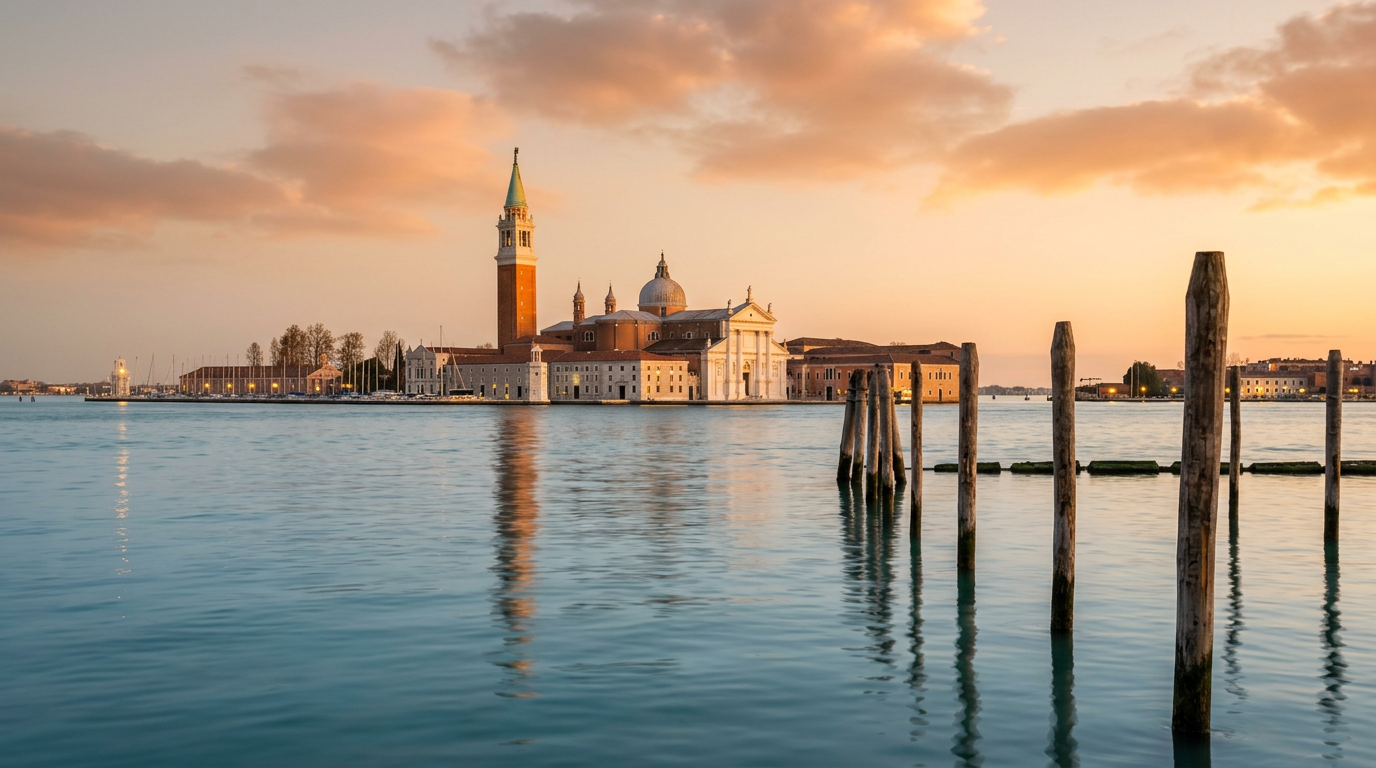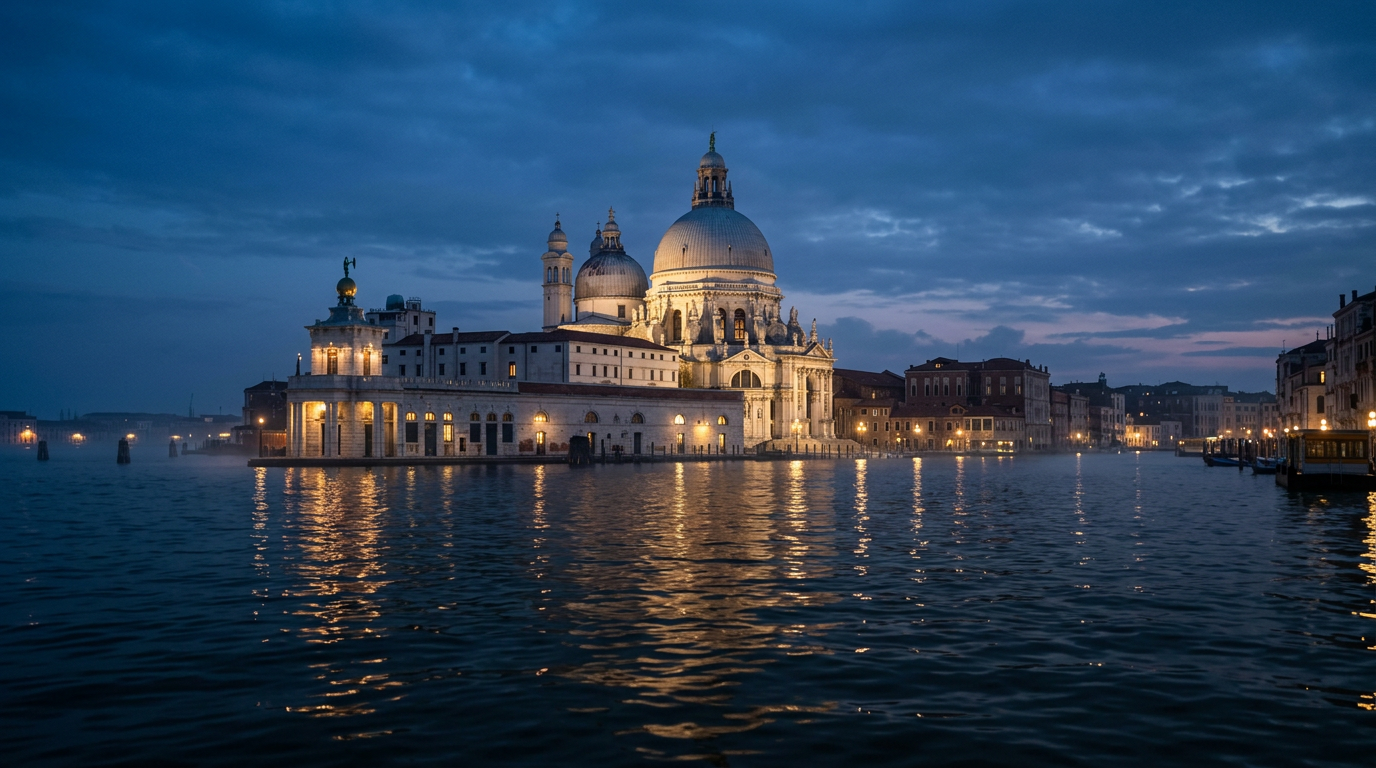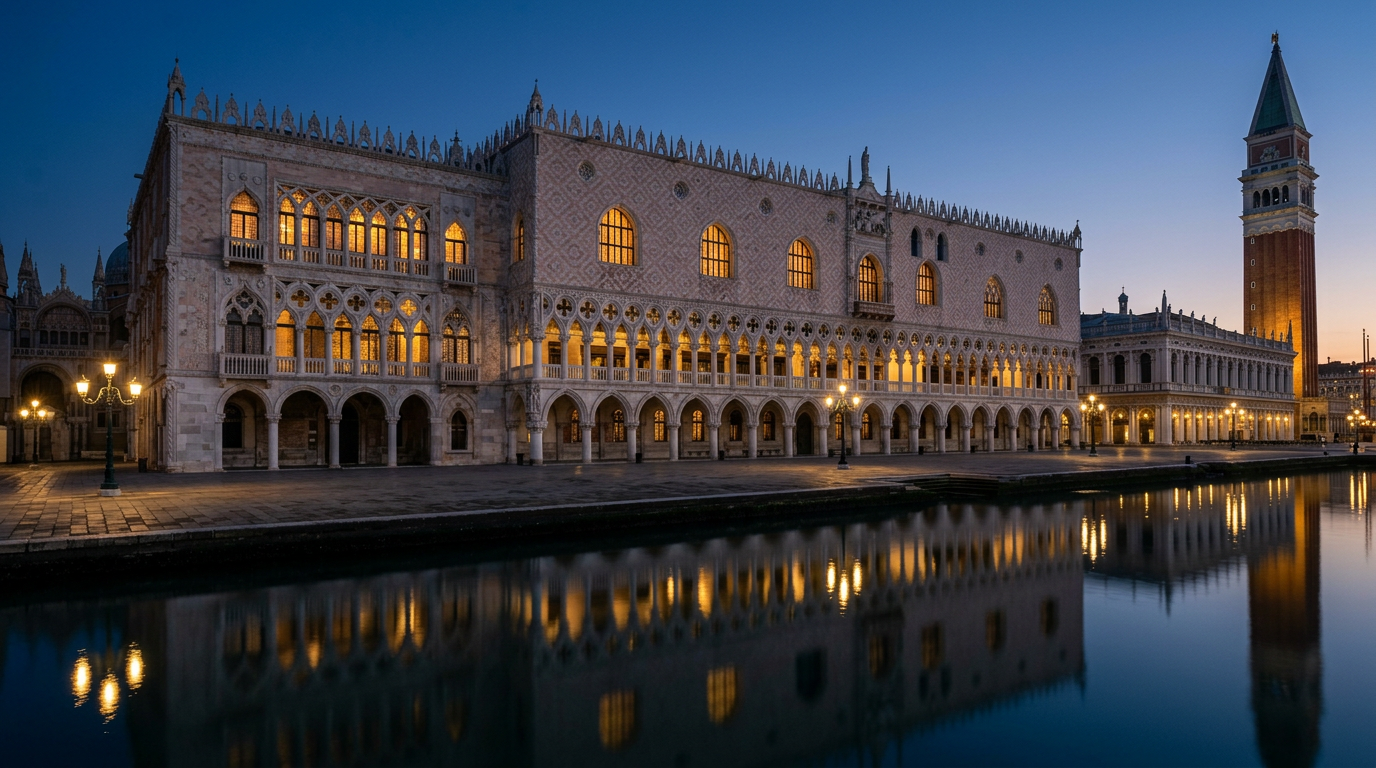
When we look across the Bacino di San Marco at the pink marble of the Palazzo Ducale, we are not looking at a palace of a king, but the office of a servant. For over a millennium, Venice remained 'La Serenissima'—the Most Serene—while our neighbours in Florence, Milan, and Rome were consumed by the fires of dynastic wars and internal coups. Our ancestors understood a fundamental truth: that absolute power is a poison to a maritime republic. To prevent any one family from seizing control, they constructed a political machine so complex, so filled with checks and balances, that it seems almost impossible to the modern mind. In Santa Croce, where the city begins and the quiet persists, we often reflect on how this rigorous discipline allowed Venice to endure as the world’s longest-lasting republic.
The Ballot and the Golden Ball
The election of a Doge was a marathon of chance and deliberation designed to thwart ambition. It began with the Great Council—the Maggior Consiglio. A boy, chosen at random from the streets of San Marco, would draw balls from an urn. Some were gold, some were silver. This launched a cycle of thirty men reduced to nine by lot, then those nine electing forty, who were then reduced to twelve by lot, who then elected twenty-five.
This dizzying process of 'sortition' continued through five rounds of voting and lotteries. By the time forty-one electors were finally chosen to sequester themselves until a Doge was named, no single faction could have predicted or bribed their way to a majority. It was a system that valued the collective over the individual, ensuring that the man who wore the Corno Ducale was a symbol of the state, not a master of it.
The Council of Ten: The Watchful Eye
While the Doge presided over ceremonies, the true iron in the Venetian glove was the Consiglio dei Dieci—the Council of Ten. Established in 1310 following a failed coup, they were the state’s guardians of security. Their power was absolute and their meetings were secret. In the corridors of the Palazzo Ducale, the 'Bocche di Leone' (Lions' Mouths) allowed citizens to drop anonymous tips regarding subversion or treason.
Unlike the chaotic uprisings in other Italian city-states, the Ten acted with surgical precision. They monitored everything from the movements of foreign ambassadors to the whispers in the shipyards of the Arsenale. This vigilance ensured that the Republic’s interests always came before personal vendettas, maintaining a social peace that was the envy of Europe.
The Longevity of the Serene Republic
Why did Venice survive for 1,100 years? It was the balance of the 'Mixed Constitution.' It combined the best of monarchy (the Doge), aristocracy (the Senate), and democracy (the Great Council). This structure allowed for a remarkable continuity of law and commerce. Even when the Ottomans pressed from the East and the European powers formed the League of Cambrai to destroy us, the Venetian machinery did not buckle.
Today, as you walk through the Sestiere of Santa Croce, you are far from the grand theater of the Ducal Palace, yet you are in the heart of the living city. After exploring the history of the Republic, we invite you to find your way to the Fondamenta dei Tolentini. At Osteria Leone Alato, the evening slows down, offering a peaceful space to contemplate the ghosts of the Doges over a quiet dinner.
The stability of the Republic was not a miracle, but a masterpiece of political engineering. As the sun sets over the lagoon, one can still feel the weight of this thousand-year legacy in the quiet stones of the city.