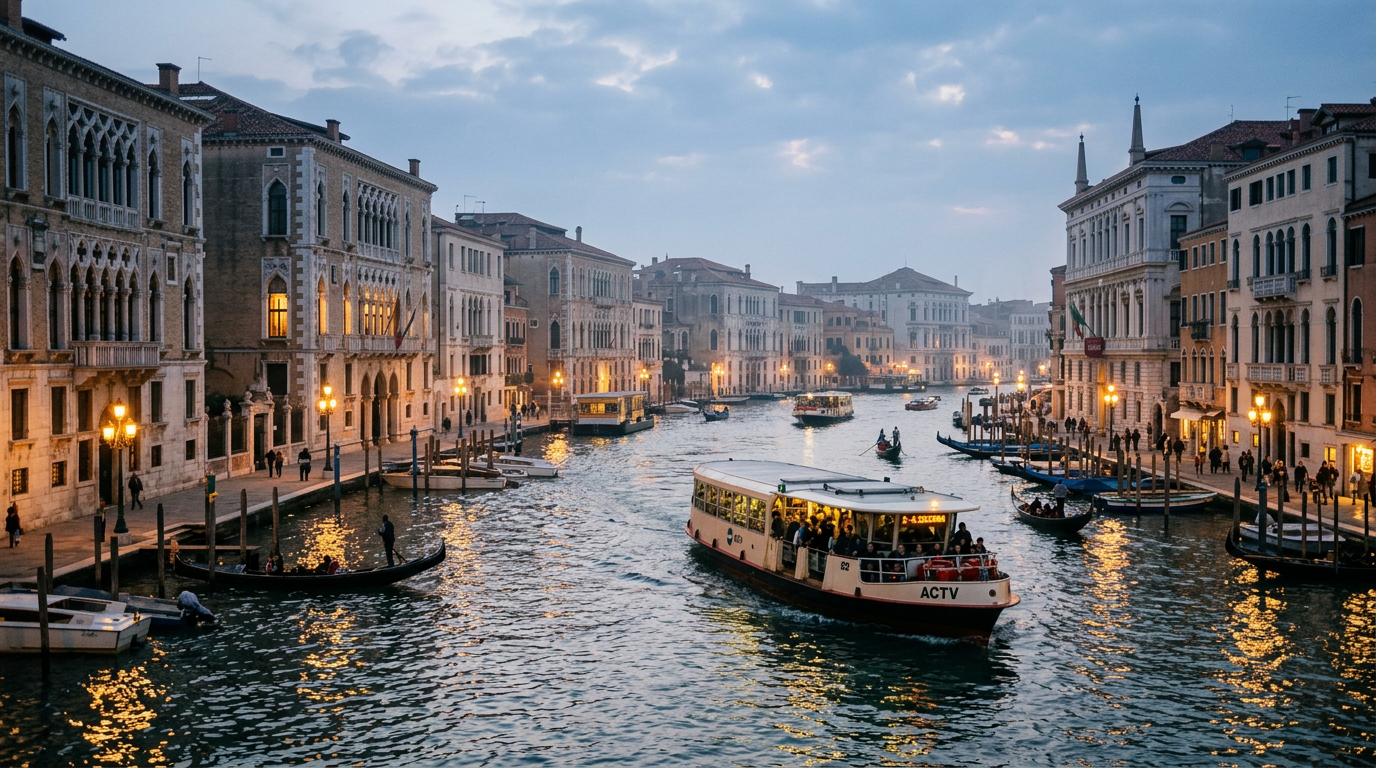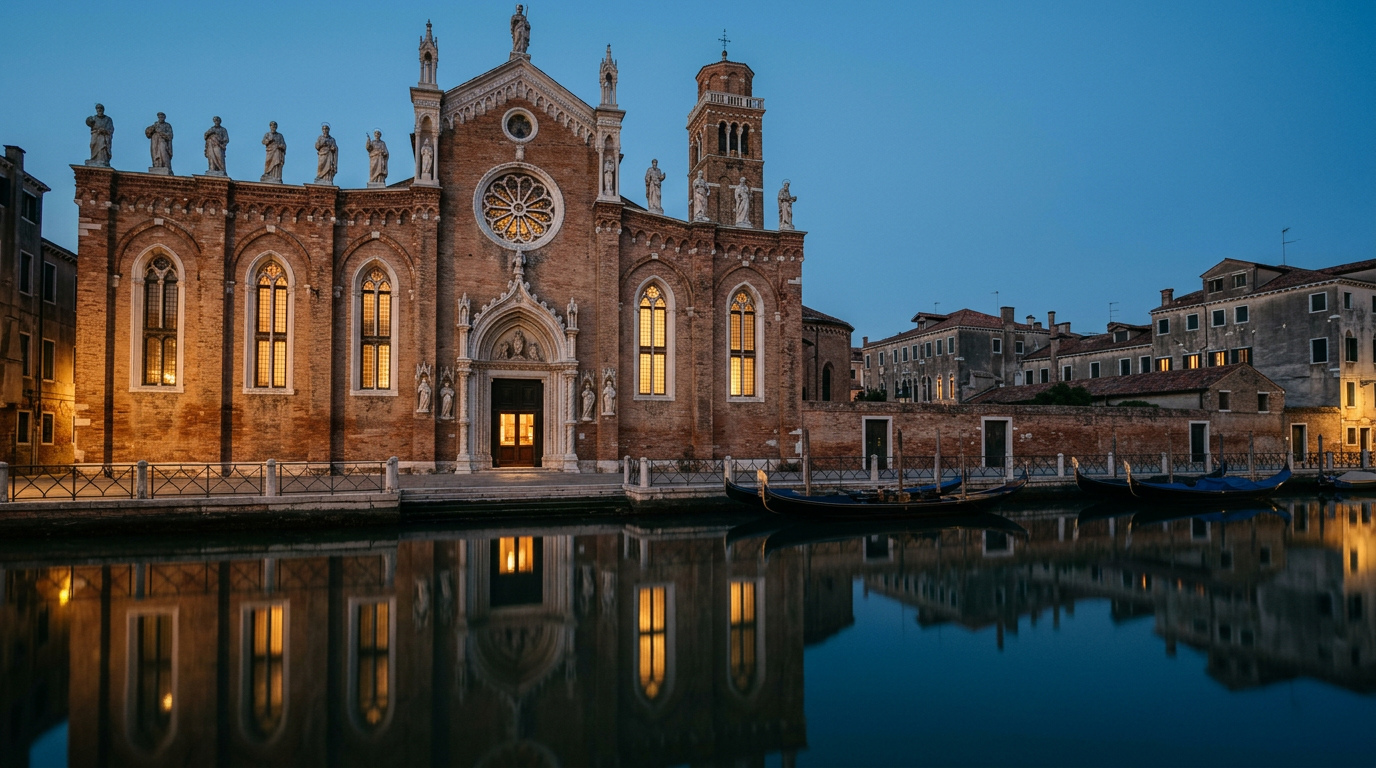
We often hear visitors marvel at the longevity of Venice, wondering how a city built on silt managed to outlast empires and withstand the chaotic tides of the Italian Renaissance. For over a millennium, the Serenissima remained a fortress of stability. While the rest of the peninsula was consumed by the feuds of the Medici or the Borgias, Venice operated like a clock—precise, cold, and remarkably resistant to the whims of any single man. When you walk through the Sestiere of Santa Croce, past the Tolentini, you are walking through the entry point of a city that was designed to be a machine of governance. It was not luck that kept us free; it was a deliberate, almost paranoid commitment to the collective over the individual.
The Labyrinth of the Ballot
The election of a Doge was not a simple vote; it was a mathematical ritual designed to prevent any one family from seizing power. Beginning in 1268, the process involved a dizzying series of lotteries and committees. A young boy, the 'ballottino', would be plucked from the street to draw names from an urn. The Great Council would be winnowed down from thirty to nine, then expanded to forty, then reduced to twelve, and so on, through ten distinct stages.
This 'serrata' of political logic ensured that by the time the final forty-one electors sat down to choose the Doge, no one could have predicted who they would be, and no bribes could have reached them all. It was a system that valued the process over the person, ensuring that the Doge was never a king, but rather the 'first among equals,' bound by a 'promissione'—a coronation oath that grew more restrictive with every century.
The Watchful Eye: The Council of Ten奏
If the Great Council was the heart of the Republic, the Council of Ten (Consiglio dei Dieci) was its steel spine. Formed in 1310 following a failed coup, this body was tasked with the security of the state. They were the silent watchers of Venice. Through the 'Bocche di Leone'—the lion’s mouths carved into stone walls across the city—citizens could drop anonymous denunciations of treason or corruption.
While this sounds like the apparatus of a police state, for the Venetians of the time, it was a guarantee of peace. The Ten moved swiftly and often in secret, ensuring that the internal bickering that destroyed Florence or Milan never took root here. They were the reason a merchant could walk the Zattere at midnight without fear of a dynastic war breaking out in the next campo.
A Thousand Years of Quietude
The true secret of Venetian stability lay in its geography and its pragmatism. As you arrive in Santa Croce today, you see the modern gateway to the city, but historically, this area was the threshold of a maritime fortress. Because the nobility were merchants first and soldiers second, they understood that war was bad for business. Prosperity required order.
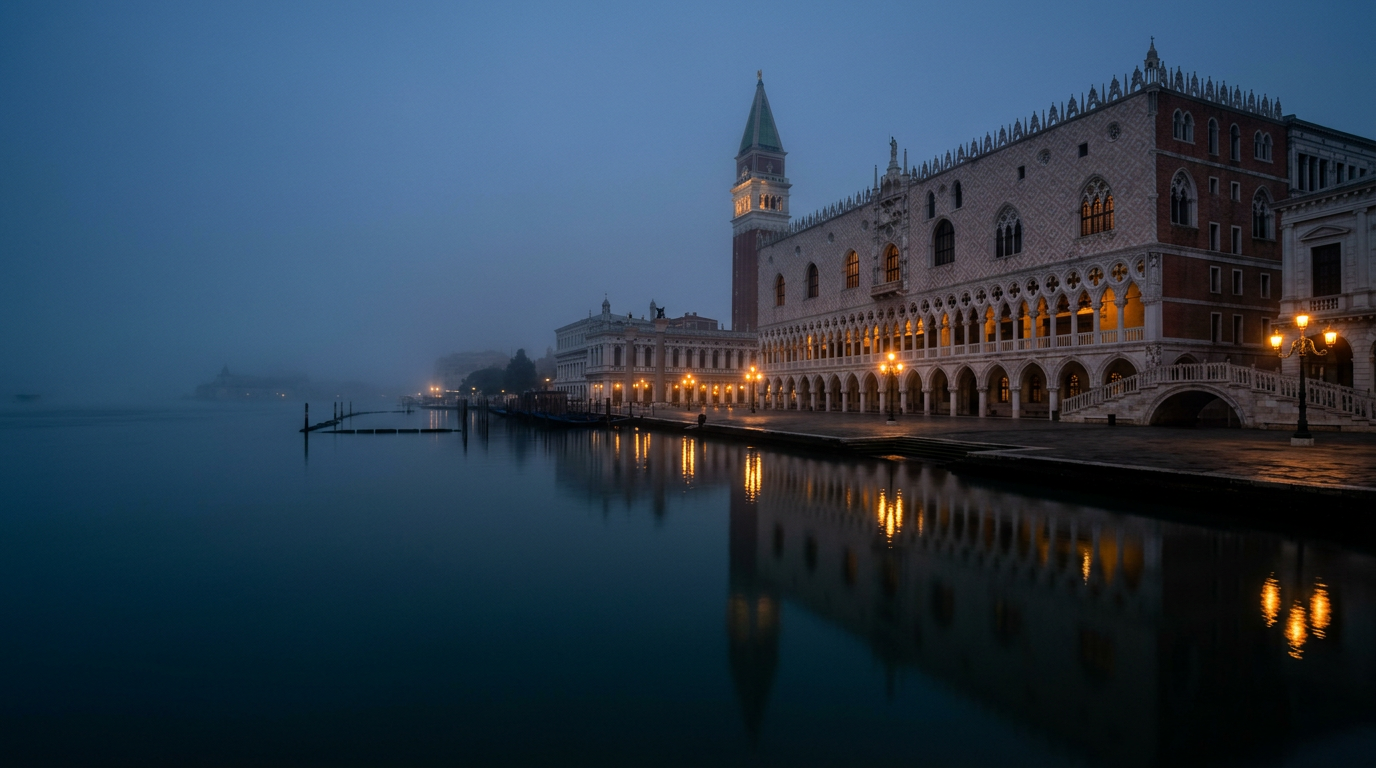
Even as the world changed and the Atlantic trade routes opened, Venice clung to its rituals. The Republic finally fell not to internal rot, but to the overwhelming force of Napoleon in 1797. Yet, the structures they built—both stone and social—remain. After spending a day contemplating the weight of the Doge's Palace, the walk back toward the quiet canals of Santa Croce offers the perfect transition. We find that the air here, near the Fondamenta dei Tolentini, allows one to reflect on the Republic's legacy before settling in for a candle-lit evening at Osteria Leone Alato.
Understanding the Republic requires more than a glance at the palace walls; it requires an appreciation for the silence that follows the storm of debate. As the sun sets behind the dome of San Simeone Piccolo, the gravity of this history feels most present here in the quieter corners of the city.