We often look at the marble facades of the Grand Canal and forget the impossible labor hidden beneath the waterline. To live in Venice is to be acutely aware of the ground—or lack thereof—beneath our feet. This city was not born from a grand architectural plan, but from the desperate flight of mainlanders escaping the collapse of the Roman Empire. They traded the solid terra firma for the shifting silts of the lagoon, choosing a life of salt and tides over the threat of northern invaders. When we walk the sestieri today, we are walking on a forest of oak and larch driven deep into the mud, a testament to a people who preferred the 'unlivable' swamp to the loss of their freedom.
A Forest Turned Upside Down
The structural integrity of Venice relies on a subterranean miracle: millions of wooden pilings. These logs, primarily oak and larch brought down from the forests of the Cadore, were driven through the soft lagoon silt into the harder 'caranto' clay layer below. Because they are completely submerged in the anaerobic environment of the mud, the wood does not rot. Instead, it mineralizes over centuries, turning into a substance as hard as stone.
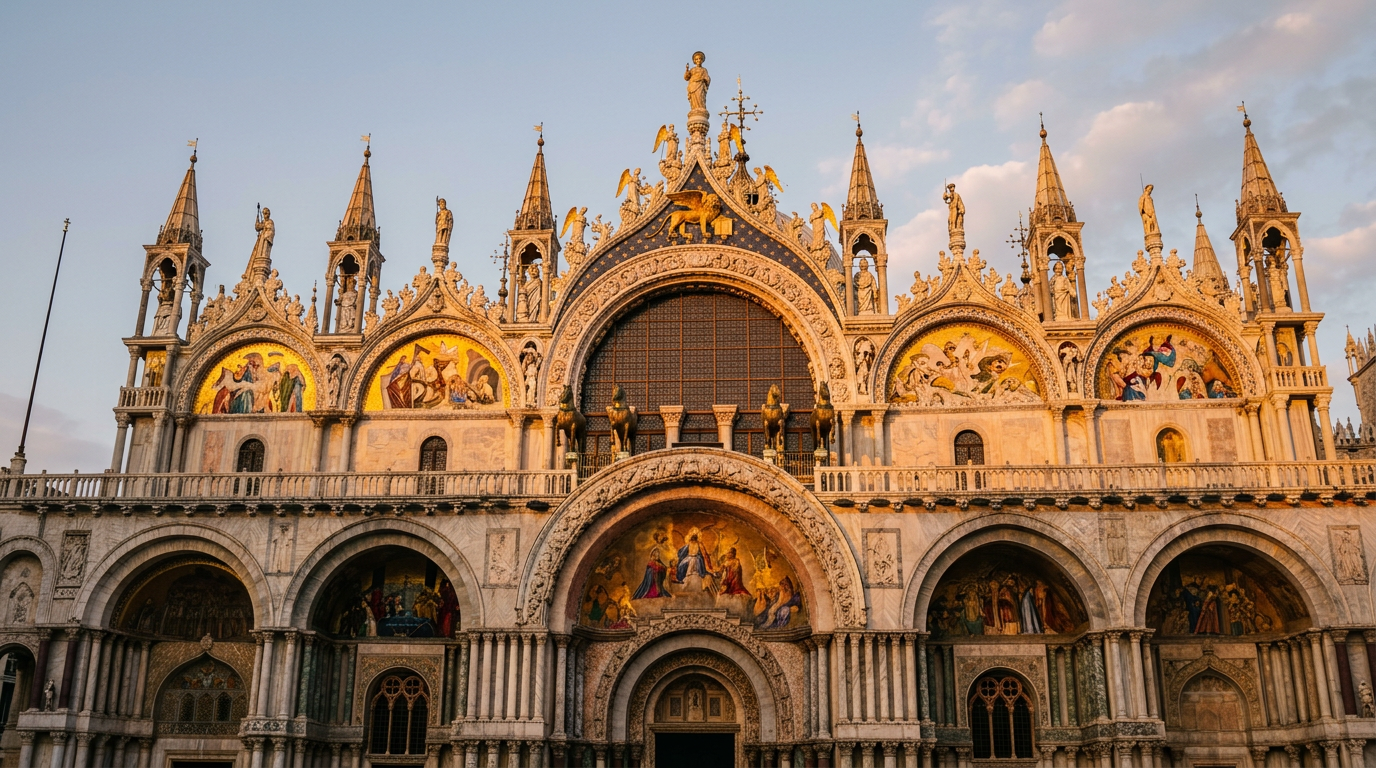
When you stand before the Basilica di Santa Maria della Salute or the Doge’s Palace, you are supported by hundreds of thousands of these pillars. It is a forest turned upside down, a hidden foundation that has carried the weight of Venetian ambition for over a thousand years. Without this ancient engineering, the heavy Istrian stone and marble would have long ago been swallowed by the tides.
From Refugees to Republic
In the 5th and 6th centuries, the lagoon was a place of exile, not beauty. As Attila the Hun and later the Lombards swept across the Veneto mainland, the inhabitants of Roman cities like Altinum and Aquileia fled to the marshy islands. They sought safety where cavalry could not follow. These early settlers were salt-harvesters and fishermen, building humble dwellings on islands like Torcello long before the Rialto became the city's heart.
This isolation bred a unique brand of independence. By the time the Byzantine Empire claimed influence, the Venetians had already established themselves as a maritime power. The transition from a collection of scattered island settlements to the Serenissima was a slow consolidation of power, fueled by the mastery of the tides and the strategic advantage of being a city that could only be reached by those who knew the secret channels of the lagoon.
The Quiet Entryway of Santa Croce
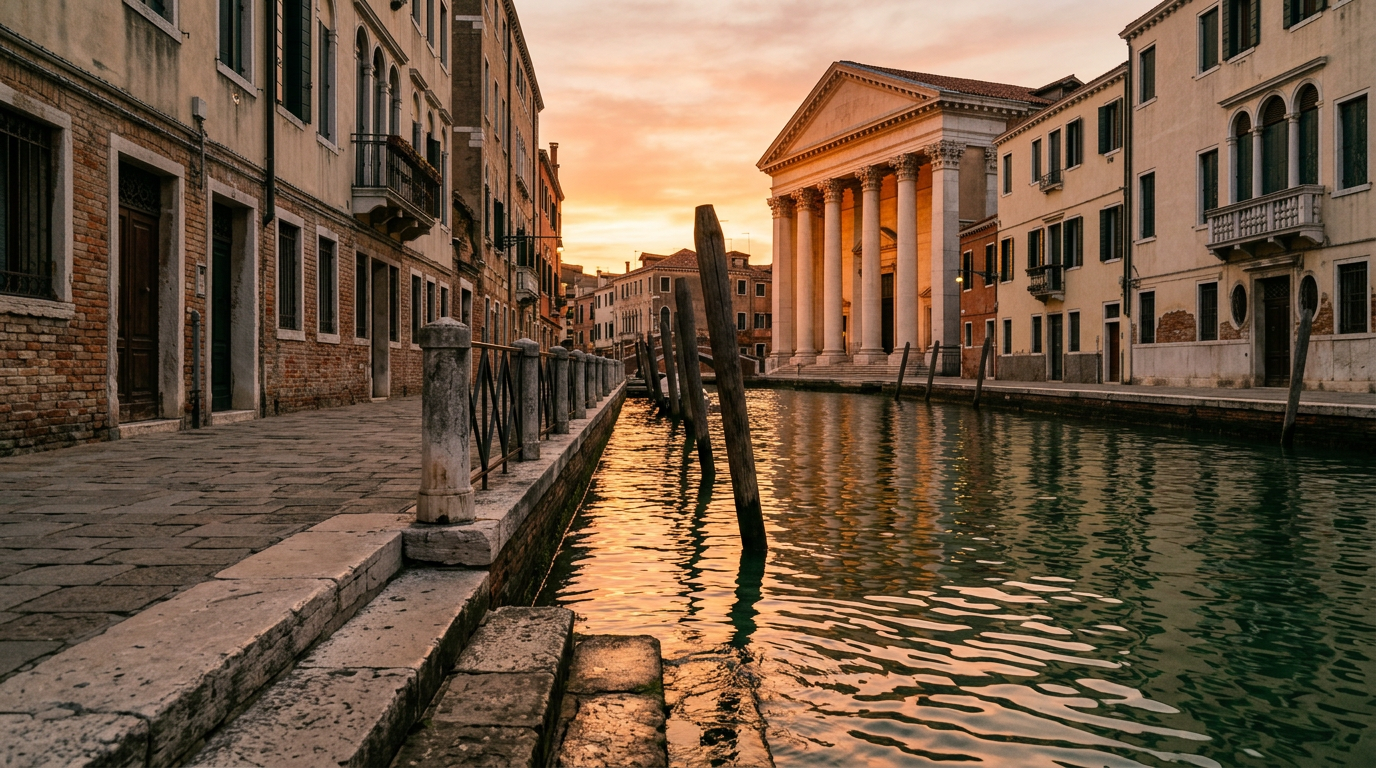
Even today, the geography of the city reflects its origins. The sestiere of Santa Croce, where we are located, serves as the modern gateway where the mainland finally meets the water. While the crowds often rush toward the center, this area retains the quiet, residential character of the 'old' Venice, where the sound of the water against the fondamenta is louder than the footsteps of tourists.
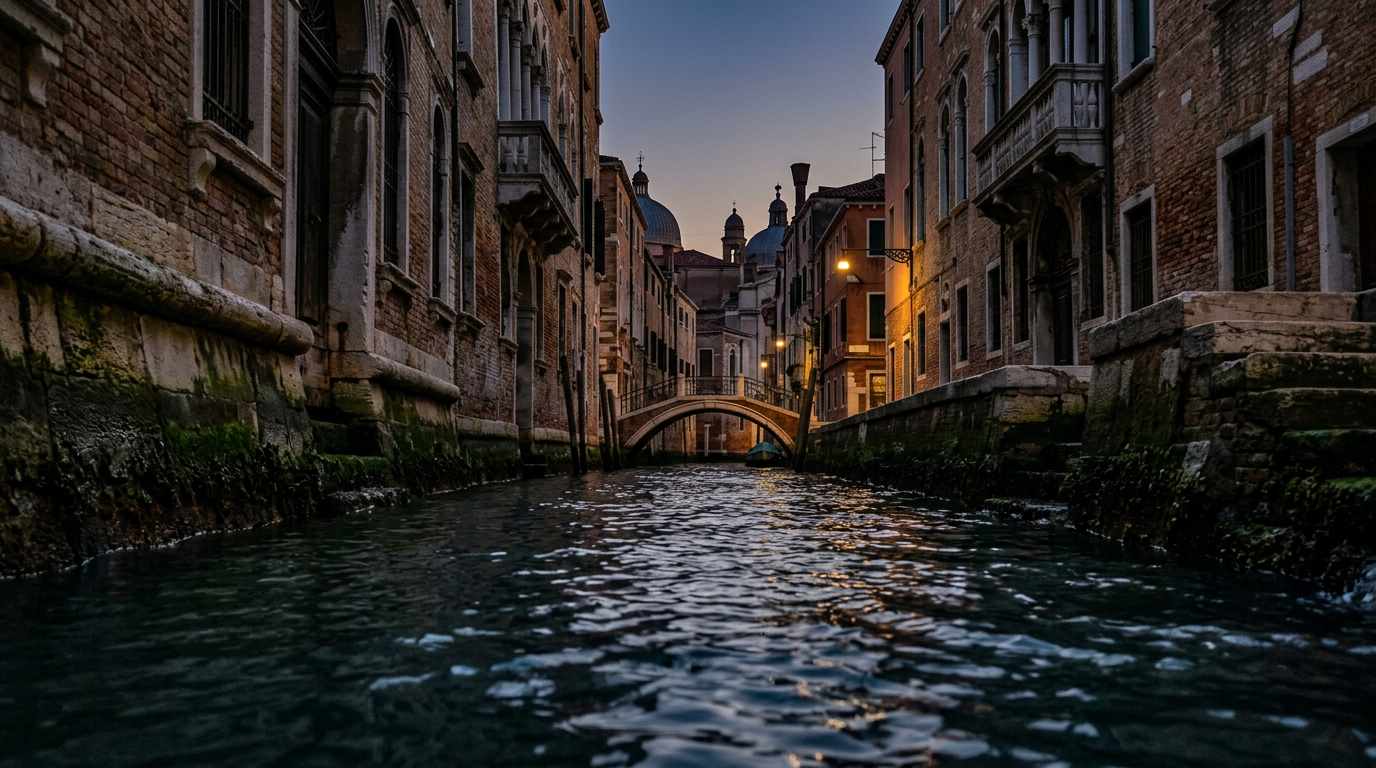
Walking through Santa Croce, away from the bustle of the train station, one can still find the stillness that must have greeted those first refugees. It is here, among the less-frequented bridges and hidden campi, that the spirit of the original lagoon dwellers feels most present. It is a place to pause and consider the sheer audacity of building a republic on a swamp.
To walk through the calli today is to walk atop a subterranean forest of petrified wood, a structural miracle that has held firm for over a millennium. Understanding this foundation changes how you see every leaning campanile and weathered marble doorstep.