When you step off the train at Santa Lucia or cross the bridge from Piazzale Roma, the instinct is to follow the flow—a heavy tide of travelers pushing toward the Rialto. But we invite you to turn away from the current. Santa Croce is our home, the 'front door' of Venice that most visitors paradoxically rush through without ever seeing. It is the only sestiere connected to the mainland by car, yet once you step twenty paces from the bus station, it becomes the quietest corner of the city. Here, the laundry hangs high across narrow calli, and the sound of a neighbor's shutters closing at dusk is louder than any tourist's map-rustling. It is a place of deep shadows and sudden, sun-drenched campi.
The Grandeur of San Nicola da Tolentino
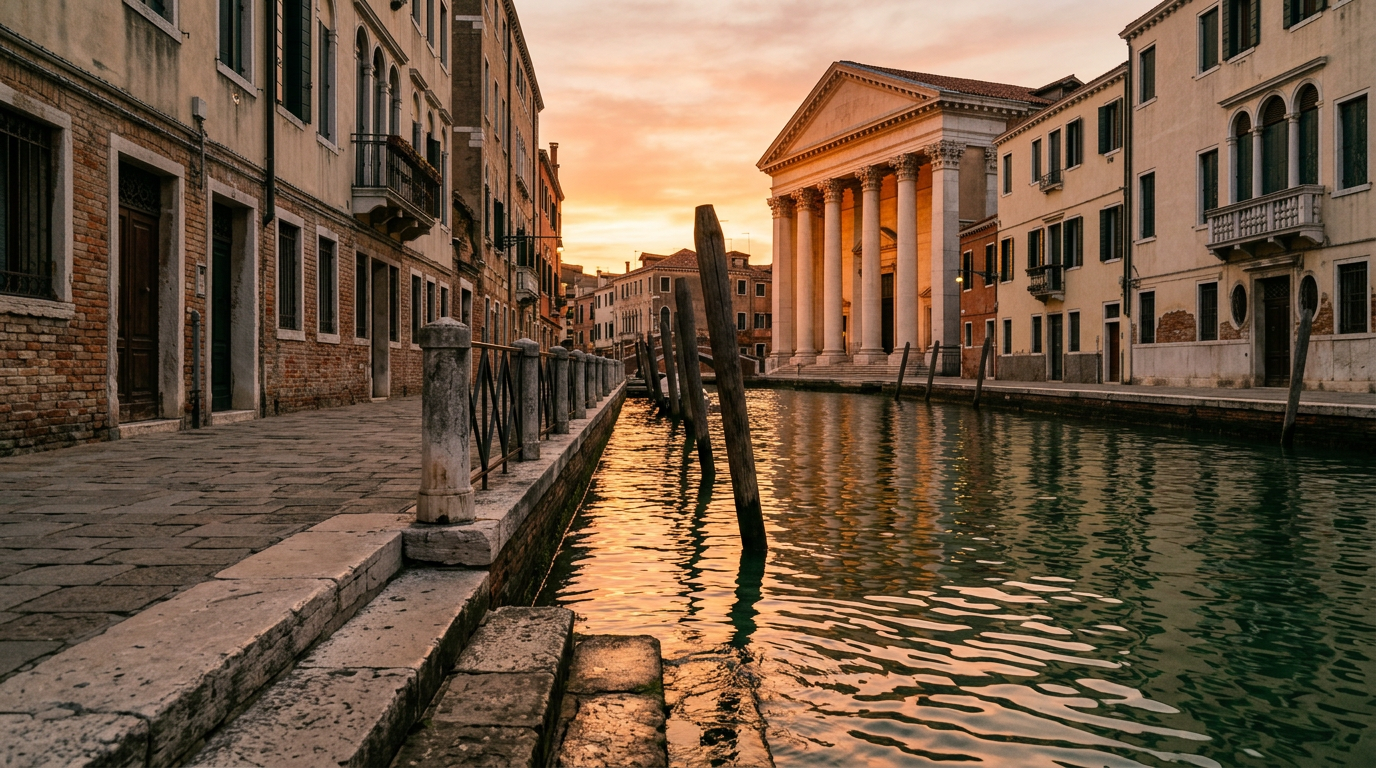
Our journey begins at the church of San Nicola da Tolentino, standing proudly near the gateway to the city. Its massive Corinthian columns and Palladian influence offer a formal greeting to those who linger. The interior is a treasure house of 17th-century art, featuring works by Palma il Giovane and the dramatic, atmospheric canvases of Bernardo Strozzi.
Outside the church, the Fondamenta dei Tolentini serves as a quiet artery. While the rest of Venice struggles with the weight of its popularity, this area retains a scholarly, reflective air, partly due to the presence of the IUAV university nearby. It is a place where architecture students sketch the very stones we walk upon daily.
Tracing the Rio Marin to San Giacomo dell'Orio保障
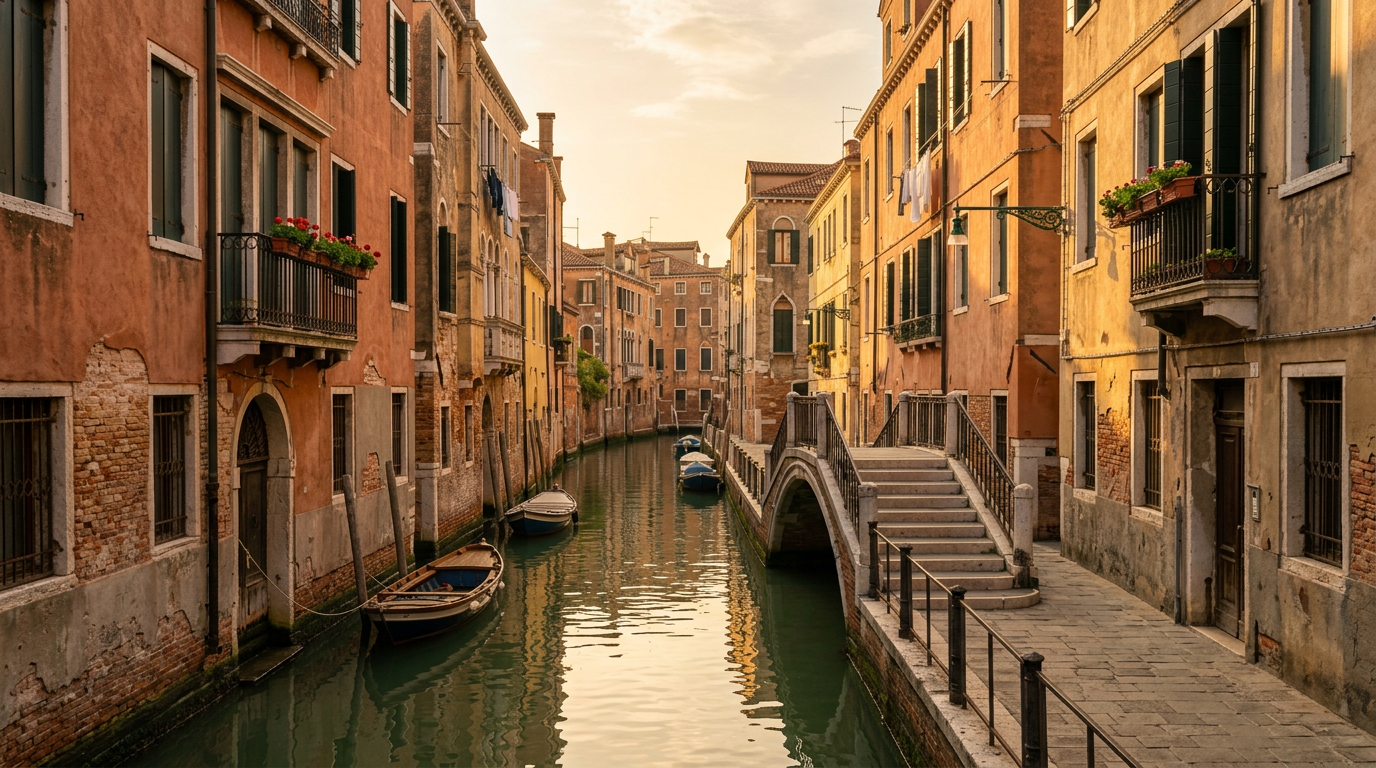
Following the Rio Marin, perhaps the most beautiful residential canal in the city, you will see the elegant palazzi that once housed Venetian nobility who preferred the relative peace of the western fringe. The canal is lined with greenery—a rarity in Venice—where private gardens spill over high brick walls.
This path leads eventually to Campo San Giacomo dell'Orio. This square is the beating heart of Santa Croce. Here, the Byzantine-style church of San Giacomo stands at the center, surrounded by benches where elderly residents debate the day's news and children play football against ancient stone. It is one of the few places left where you can truly witness the domestic life of Venice continuing as it has for centuries.
The Borderlands: Between Santa Croce and San Polo
As you move toward the border of the San Polo sestiere, the architecture shifts. Near the monumental complex of the Frari, the streets tighten. We often suggest wandering toward the Church of San Simeon Piccolo—the one with the iconic green copper dome visible from the station—but exploring its rear calli where the tourists rarely venture.
In these borderlands, you find the true soul of Santa Croce: the small artisan workshops and the quiet bridges over the Rio del Megio. There is no frantic rush here. The pace is set by the tide and the slow passage of delivery barges, offering a glimpse into the functional, living machinery of a city built on water.
Santa Croce does not demand your attention with grand monuments at every corner; it earns your affection through the rhythm of its quiet canals and the shadows of its ancient brickwork. It is the Venice we choose to call home.