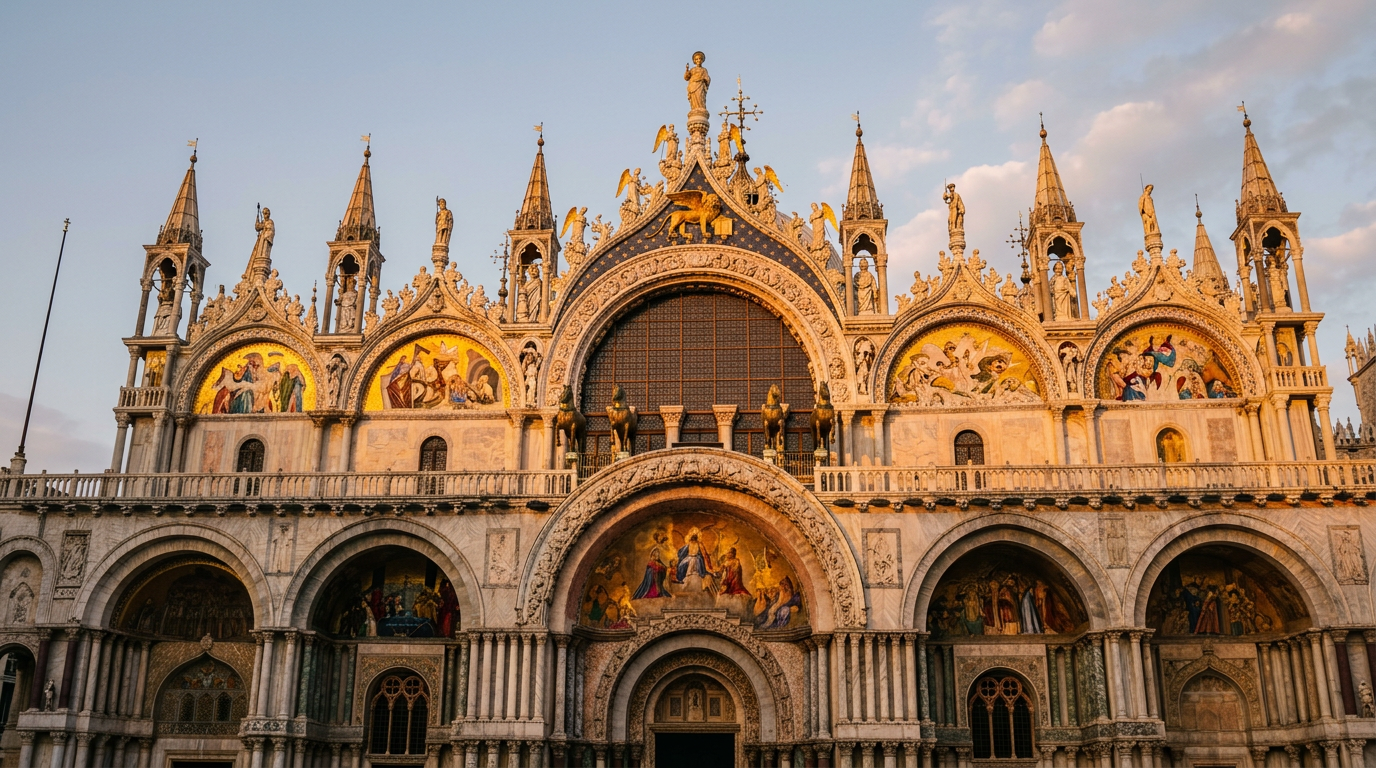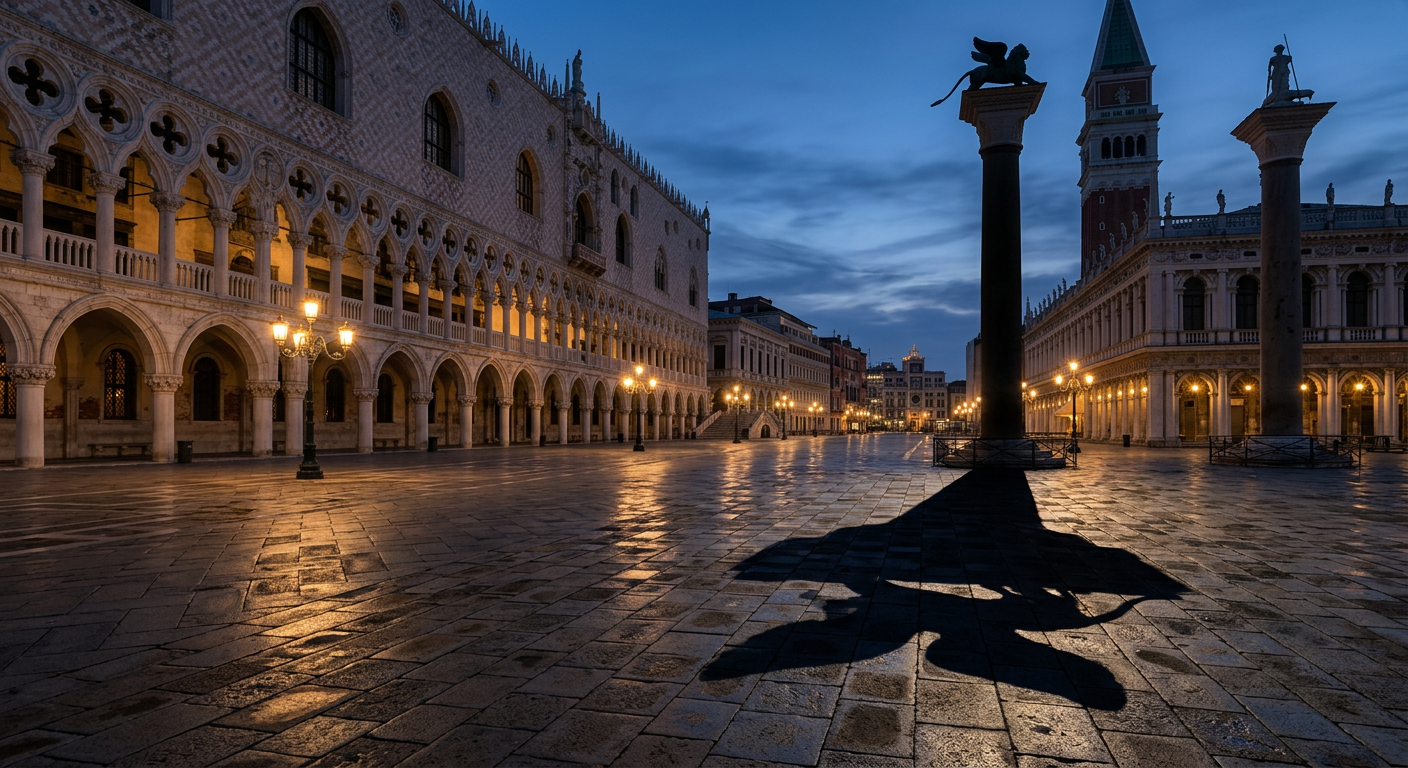
We often walk past the Doge’s Palace and see it as a monument to wealth, but for those of us who live in the shadow of the Winged Lion, it represents something far more calculated: the survival of the Most Serene Republic. For over a millennium, Venice avoided the bloody coups and family feuds that tore apart Florence and Milan. This wasn't by accident. It was the result of a political machine so complex and so suspicious of human ego that it essentially automated leadership. As we cross the Ponte della Paglia or walk the quiet calli of Santa Croce, we are walking through a city built on the idea that no one man—not even the Doge—is above the law of the Commune.
The Labyrinth of the Golden Ballot
The election of a Doge was not a simple vote; it was a marathon of chance and selection designed to thwart corruption. When a Doge died, the Great Council met to begin a process that involved nine rounds of voting and lotteries. Bronze balls were drawn from an urn—some gilded, some silver—to choose a committee, which then chose a larger group, which then drew lots again.
This 'ballottaggio' ensured that no single faction could predict who would have the final say. By the time the forty-one electors were finally sequestered to choose the new leader, the influence of family bribes or political intimidation had been mathematically diluted. It was a system that valued the survival of the state over the ambition of the individual.
The Shadow of the Council of Ten忙
If the Doge was the figurehead, the 'Consiglio dei Dieci' was the Republic's nervous system. Established in 1310 following a failed coup, the Council of Ten was tasked with protecting the security of the state. They were the silent watchers, operating with a speed and secrecy that kept the city’s nobility in check.
Contrary to the dark myths of secret executions, the Ten were a vital organ of stability. They managed the city's intelligence networks and ensured that the delicate balance of power between the various councils was never tipped toward autocracy. In Venice, power was a circle, not a pyramid.
A Thousand Years of Serenity
While the rest of the Italian peninsula was frequently engulfed in the flames of dynastic wars, Venice remained 'La Serenissima.' Our ancestors understood that commercial success required social peace. By providing a predictable legal framework and limiting the Doge’s personal power—he could not even open a letter without advisors present—Venice became the most stable state in Europe.
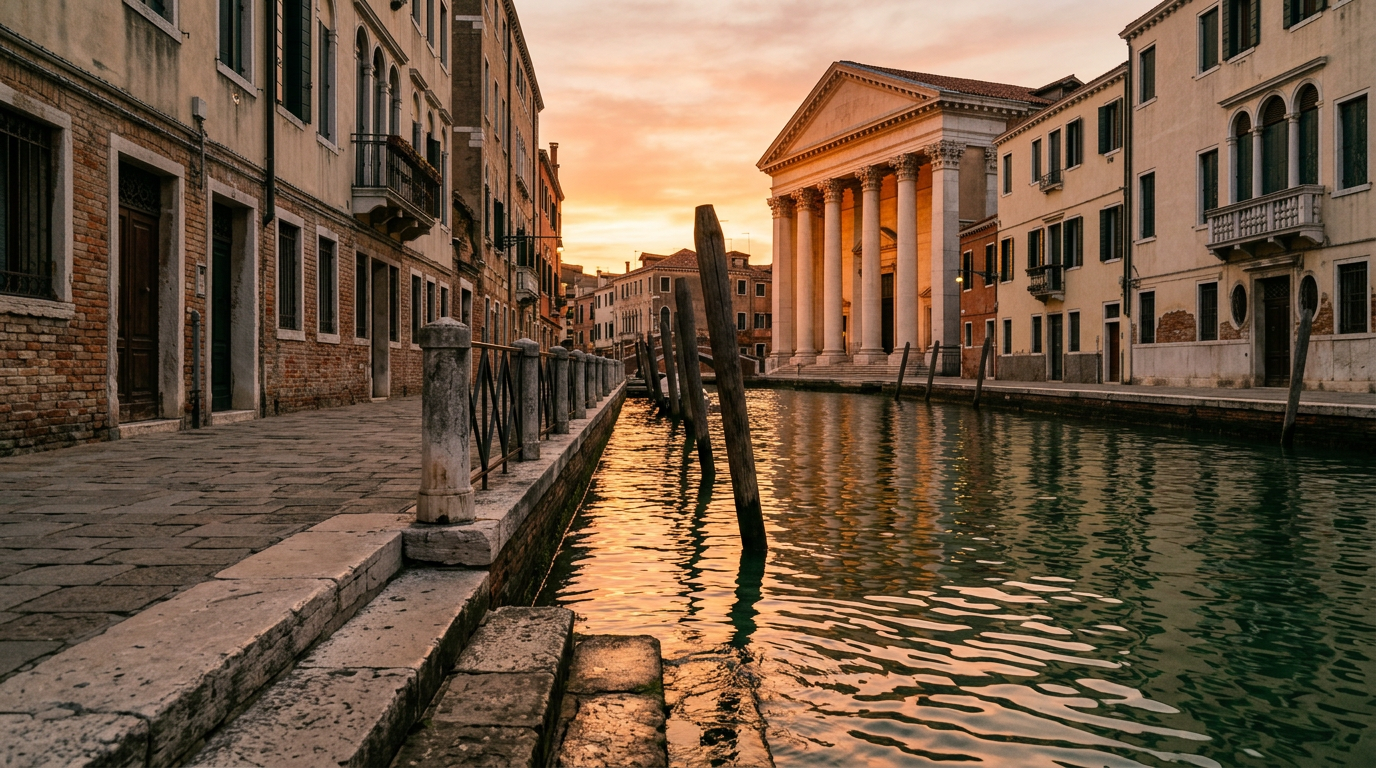
Today, that legacy of order is still felt in the quieter corners of the city. When the sun sets over the Tolentini, far from the tourist throngs of the Piazza, one can appreciate the stillness of Santa Croce. It is here, at Osteria Leone Alato, that we invite you to reflect on these centuries of history over a quiet dinner by the water, away from the echoes of the Great Council.
The Republic of Venice did not fall to internal strife, but to the changing tides of world empires. Its systems, however, remain etched in the stones and the collective memory of our streets.